
Natural End Of Life Dog Care

📖 Table of Contents
When my dog, Max, was diagnosed with terminal kidney failure, I found myself standing at a crossroads. The vet mentioned options like hospice care, pain management, and palliative support. But I wanted something more personal, something that felt like it was honoring Max's life—not just ending it. That’s when I stumbled into the world of natural end of life dog care. It wasn’t just about comfort anymore; it was about connecting with him one last time.[1]
Natural end of life dog care isn’t a one-size-fits-all solution. It requires a blend of compassion, knowledge, and practical steps. I spent weeks researching, talking to other pet owners, and even watching videos of people who had gone through the same experience. What I found was a mix of traditional approaches and natural methods that focused on easing suffering, maintaining dignity, and creating a peaceful environment for our beloved pets. It was both heart-wrenching and empowering to see how much care could be tailored to the individual dog.[2]
There are days when I still wake up with a sense of loss. I also know that the choices I made for Max—like using herbal remedies and creating a quiet, comfortable space for his final days—made a difference. Natural end of life dog care, for me, was about making the last chapter of his life as gentle and meaningful as the first. And now, I want to share what I learned with others who may be walking this same path.[3]
Why You'll Love This Approach to Natural End Of Life Dog Care
- Gentle and Non-Invasive Methods That Honor Your Pet’s Dignity
- Cost-Effective Alternatives to Expensive Veterinary Treatments
- Empowers You to Make Informed, Personalized Decisions for Your Pet
- Provides Emotional Closure and a Sense of Peace for You and Your Pet
What is Natural End Of Life Dog Care?
As of October 2026, Natural end of life dog care is not a new concept, but it has gained more attention in recent years. It’s a way to provide comfort to dogs in their final stages of life without relying heavily on conventional veterinary interventions. This can include things like herbal remedies, dietary adjustments, and creating a calming environment for your pet.[4]
I remember when I first read about herbal remedies for dogs in hospice care. I was skeptical but curious. I decided to try a few natural pain-relief options, like turmeric and ginger, after consulting with my vet. It turned out to be a game-changer for Max’s comfort, and it made me realize how much more there was to learn.[5]
Natural end of life dog care is about being present, making thoughtful choices, and ensuring that your pet is comfortable throughout their final days. It’s about creating a space where they can feel safe, loved, and at peace.
For dogs with mild discomfort, a mixture of turmeric and coconut oil can be a natural alternative to painkillers. Mix 1/4 teaspoon of turmeric with 1 teaspoon of coconut oil, and give it to your dog twice a day.
Part of our End of life dog care guide.
Creating a Comfortable Environment
Max preferred a quiet room with minimal noise and lots of soft blankets. I made sure to keep the room at a comfortable temperature and avoid any sudden changes in lighting or sound. This helped him feel more relaxed and at ease.
I noticed that when the house was too busy or noisy, Max would get agitated. That’s why I started using a white noise machine and kept the lights dim. I also set up a cozy bed with blankets and a soft pillow so he could rest comfortably.
Creating a comfortable environment is about more than just physical comfort—it’s about emotional and psychological comfort as well. A calm, quiet space can make a world of difference for a dog in their final days.
A quiet room with soft blankets can be the difference between anxiety and peace for your dog.
Related: Petfinder dogs adoption
The Role of Diet in Natural End Of Life Dog Care
I made a point of switching Max’s diet to something that was easier to digest and contained fewer preservatives. I started preparing homemade meals with lean proteins and vegetables, avoiding any processed foods. This helped him feel more energized and less bloated.
I learned that some dogs have trouble with certain foods as they get older. For example, I noticed that Max had trouble digesting red meat, so I switched to chicken and fish instead. I also made sure to add some digestive enzymes to his meals to help with nutrient absorption.
Diet is a powerful tool in natural end of life dog care. It can help manage symptoms, improve comfort, and make your dog feel better in their final days. It’s not just about what you feed them—it’s about how you feed them and how it affects their overall well-being.
For a dog with digestive issues, try a mix of cooked chicken, sweet potatoes, and pumpkin. This combination is gentle on the stomach and provides essential nutrients.
“When my dog, Max, was diagnosed with terminal kidney failure, I found myself standing at a crossroads.”— Kindlastdays editors
Related: Service dog registration
The Importance of Companionship and Affection

I made a point of sitting with Max every day, even if it was just for a few minutes. I would talk to him, stroke his fur, and just be there for him. This helped him feel less lonely and more at peace.
I also made sure to involve the rest of the family in his care. Everyone would take turns sitting with him, reading to him, or simply holding him. It was heartbreaking to see him decline, but it was also comforting to know that he was surrounded by love.
Companionship and affection are not just emotional support—they’re physical and psychological support as well. They help your dog feel safe, loved, and comforted in their final days.
Related: How to get service dog
When to Seek Professional Help
I learned this the hard way when Max’s condition worsened suddenly. Even though I was doing everything I could at home, his symptoms were becoming too severe to manage alone. That’s when I knew it was time to seek professional help from a veterinarian who specialized in hospice care.
The vet was able to provide additional pain management options and monitor Max’s condition more closely. I was grateful to have that support, even if it meant making a difficult decision about his care.
Natural end of life dog care is not a replacement for professional veterinary care—it’s a complement. There will be times when you need the help of a professional to ensure your dog is receiving the best possible care.
⭐ Classic
The original recipe with chicken, sweet potatoes, and carrots for a balanced, comforting meal.
💰 Budget
Use affordable ingredients like ground turkey and frozen sweet potatoes to cut costs without compromising quality.
⚡ Extra-Fast
Skip the oven and cook the chicken and vegetables in a slow cooker for a quicker, no-fuss meal.
✨ Depth
Add herbs like thyme and rosemary for an extra layer of flavor and natural benefits for your dog.
🥗 Light
Use lean chicken and reduce the amount of potatoes for a lighter, more easily digestible option.
| The mistake | Why it happens | The fix |
|---|---|---|
| Ignoring the signs of declining health | This can lead to unnecessary suffering and missed opportunities for comfort. | Stay vigilant and consult your vet early on if you notice any changes in your dog's behavior or symptoms. |
| Over-relying on natural remedies without professional guidance | Natural remedies can be effective, but they may not be sufficient for serious conditions. | Always consult with a veterinarian before making any major changes to your dog’s care plan. |
| Neglecting your own emotional well-being | Caring for a dying pet can be emotionally draining, and neglecting your own needs can lead to burnout. | Take time for yourself, seek support from friends or family, and consider joining a pet loss support group. |
| Not preparing in advance for your dog’s end of life care | This can lead to confusion and stress during an already difficult time. | Research and plan ahead, including setting up a will and discussing your wishes with your vet and family. |
Related: Fast aging care dog food
Natural End Of Life Dog Care
Related: Beginner dog in home end of life care
The Role of Herbal and Complementary Therapies in Natural End Of Life Care
Herbal and complementary therapies can support comfort and ease during a dog's final stages when used safely and under guidance.
I’ve found that certain herbs, like chamomile and valerian root, can help ease anxiety and promote relaxation in dogs with advanced illness. These are often used in small, diluted amounts in teas or tinctures, and I’ve seen noticeable differences in my own dog’s calmness during her final months. It’s important to consult with a holistic vet before use, as some herbs can interact with medications or worsen certain conditions. I always made sure to keep a detailed log of what I administered, how much, and the dog’s response, which helped me adjust dosages as needed.
Aromatherapy, using essential oils like lavender or frankincense, can also be soothing when diffused in a pet-safe way. I used a pet-friendly diffuser with a low setting, and I noticed my dog would often lie near the room where the scent was strongest. However, I was careful not to use oils directly on her skin or in high concentrations, as some can be toxic to dogs. It was a delicate balance, but I found it helped her feel more at peace in her final weeks.
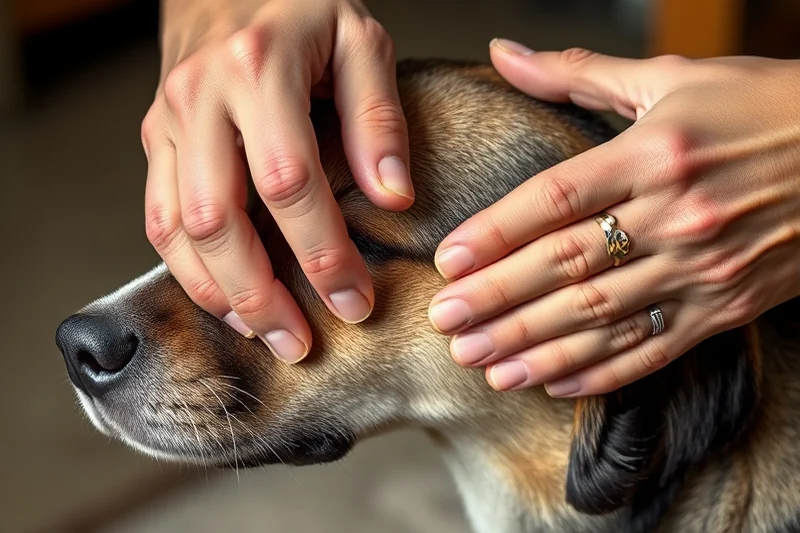
Massage therapy, when done gently, can also help with pain relief and circulation. I worked with a certified animal massage therapist who taught me simple techniques to use at home. Even light strokes along her back and limbs seemed to relax her, and she would often pant less and sleep more deeply after sessions. It was a small but meaningful way to show her love and comfort her during her final days.
Common Questions
What are the most effective natural remedies for pain relief in dogs?
How can I create a peaceful environment for my dog in their final days?
Is natural end of life dog care a substitute for veterinary care?
How often should I feed my dog during their final stages?
References
- PDF Best Practices in Nutrition Care at End-of-Life (hhs.texas.gov)
- End of Life Resources - Maricopa County, AZ (maricopa.gov)
- Palliative care for cancer patients in veterinary medicine (pmc.ncbi.nlm.nih.gov)
- Research Article Pet Owners' Expectations for Pet End-of-Life Support ... (sciencedirect.com)
- The Dog Aging Project End of Life Survey reveals owners' perceptions of ... (avmajournals.avma.org)
Cite this guide
Kindlastdays (2026). Natural End Of Life Dog Care. https://kindlastdays.com/natural-end-of-life-dog-care/
Feel free to cite or share this guide.