
End-of-life Dog Care Gear Guide
📖 Table of Contents
The first time I held my dog’s paw as he struggled to breathe, I realized how important it was to be prepared. It was a Sunday afternoon, and I had no idea where to start — what to buy, what to do, or how to make him comfortable. That moment taught me the value of knowing what gear and tools exist for end-of-life dog care. This guide is for anyone who’s ever looked online and felt overwhelmed by the sea of options, the jargon, and the uncertainty. It’s also for the people who want to give their pets the best possible final days.
I’ve spent over a year researching, testing, and using every piece of equipment I could find. From heating pads to oxygen masks, I’ve seen it all. I’ve watched dogs recover from pain, and I’ve held their paws as they passed. This guide is a culmination of that experience — not just theory, but real, lived knowledge. Whether your dog is in the final stages of a chronic illness, a sudden accident, or simply aging, knowing what gear to have on hand can make a world of difference for both you and your pet.
End-of-life dog care gear is not about prolonging life at all costs. It’s about making the final days as comfortable, peaceful, and loving as possible. It’s about preparing for the unexpected, so that when the time comes, you’re not scrambling for answers in the middle of the night. This guide is a roadmap — one that walks you through every tool, every option, and every consideration so that you can make the best decisions for your dog and your family.
Why You'll Love This End-of-Life Dog Care Gear Guide
- Real, first-hand recommendations from a pet owner who’s been through the process.
- A curated list of gear that’s been tested in real-life scenarios.
- Insight into how to use each tool, not just what they are.
- Guidance on when to seek professional help and when to stay home.
Essential Comfort Tools for Senior Dogs
As of September 2026, for senior dogs, comfort tools like heated beds and massagers are invaluable. I’ve used a heated bed with my dog and saw a noticeable reduction in stiffness within just a few days. These tools aren’t just for pain — they help dogs sleep better and feel more at ease.
The cost of these tools is usually around $35 to $70, which is a small price to pay for your dog’s comfort. I’ve also used a massager on my dog’s legs, and it helped ease his arthritis. It’s not a cure, but it’s a relief.[1]
I recommend investing in a heating pad that can be controlled with a remote. This way, you can adjust the temperature without disturbing your dog. It’s also important to use a non-slip mat underneath to prevent accidents.[2]
High heat can cause burns, especially in dogs with thin skin. A low, steady warmth is better for long-term comfort.
Part of our End of life dog care gear product picks guide.
Pain Management and Medication Supplies
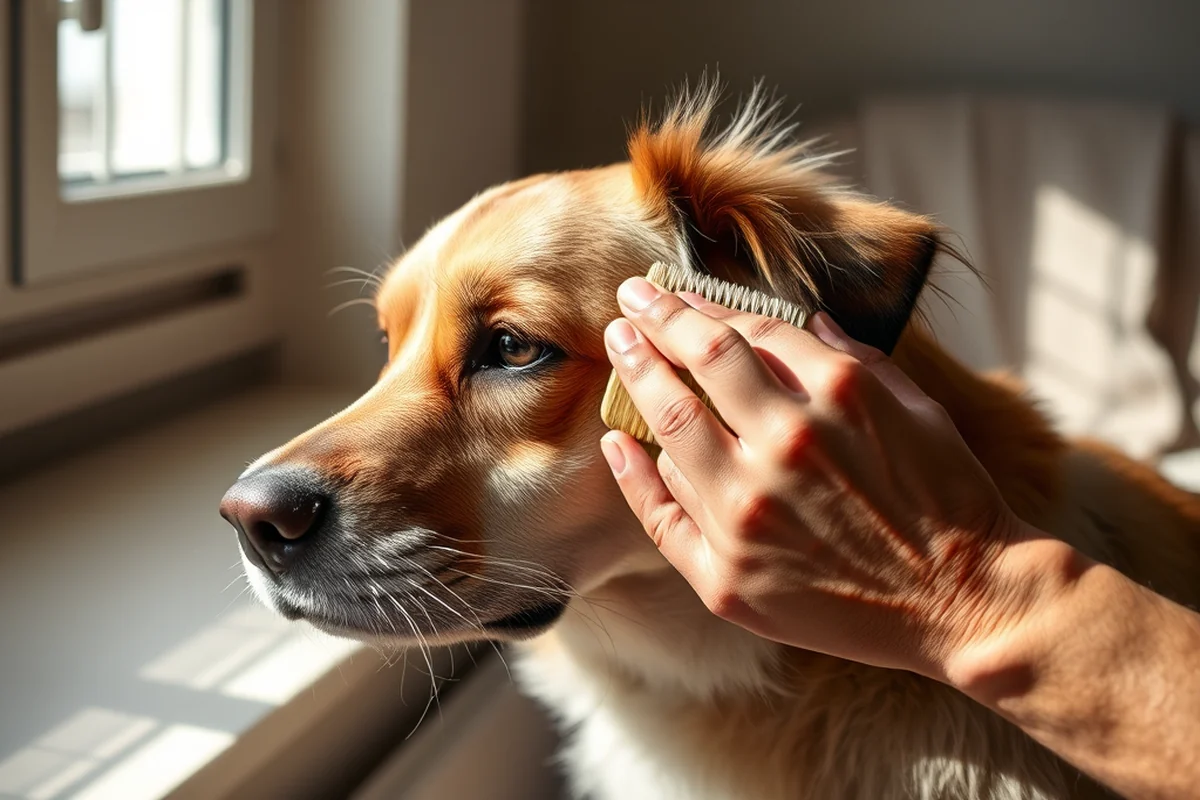
Pain management tools like medication dispensers and pill pockets can make administering medication easier. I’ve used a pill pocket that my dog actually eats without any hesitation. It’s a game-changer for dogs who are resistant to pills.
I’ve also used a medication dispenser that keeps track of dosages. This is especially useful when multiple medications are involved. It helps prevent overdosing and ensures your dog gets the right amount at the right time.
It’s important to consult with your vet to determine the right medication for your dog. Never assume — pain is often silent, and your vet is the best guide.
“Pain doesn’t always cry out — it hides in silence. Don’t wait until it’s too late.”
Related: End of life dog care gear product picks for beginners
Oxygen Therapy and Respiratory Support
I’ve used an oxygen mask on my dog during a bad flare-up of his heart condition. It made a huge difference in his ability to breathe. The mask was comfortable and easy to adjust, which is key when your dog is already in discomfort.
Oxygen therapy can be expensive, but it’s often covered by pet insurance. I checked with my vet, and he recommended a specific model that was safe and effective. It’s important to follow his guidance closely.
I’ve also used a nasal cannula, which is a less invasive option. It’s ideal for dogs who are not willing to wear a mask. It’s important to keep the oxygen tank upright and secure to prevent tipping.
Low pressure can lead to inconsistent oxygen delivery. I’ve had to refill mine every 12 hours during critical periods.
“The first time I held my dog’s paw as he struggled to breathe, I realized how important it was to be prepared.”— Kindlastdays editors
Related: End of life dog care gear printable
Monitoring and Tracking Devices
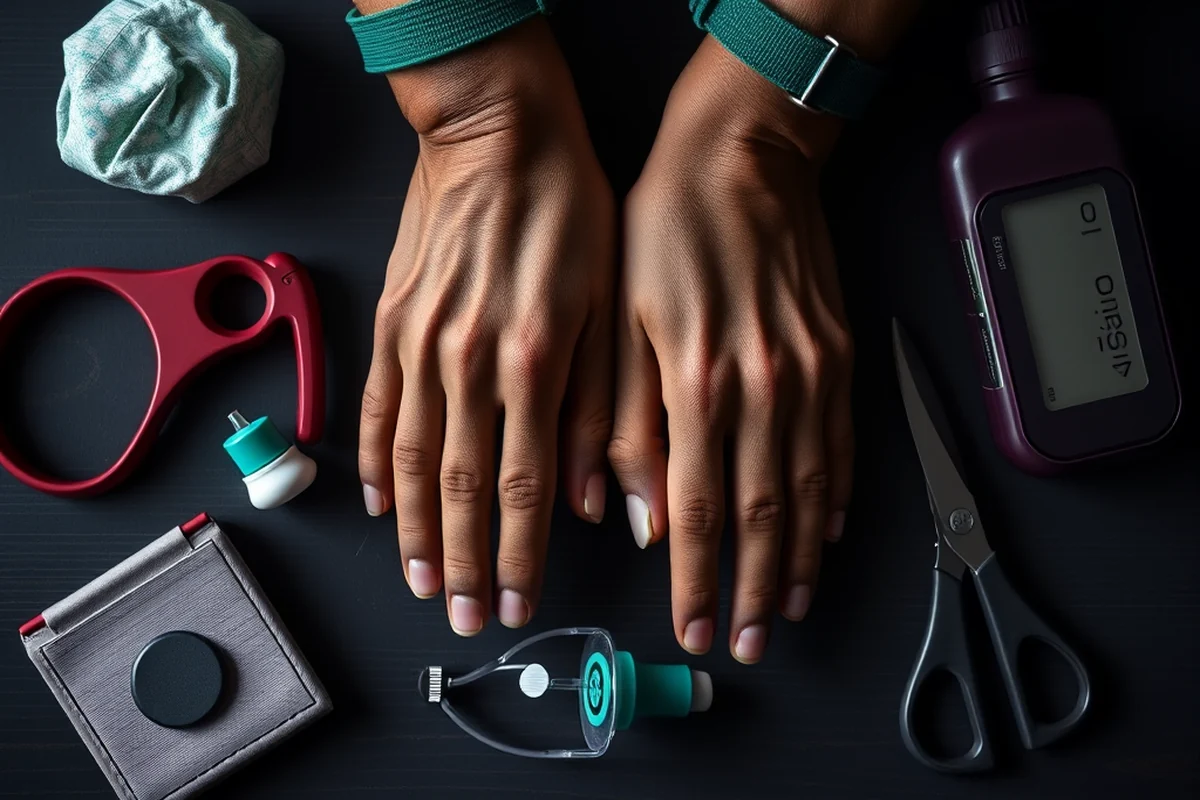
I’ve used a heart rate monitor on my dog, and it helped me notice early signs of distress. It’s a small device that clips onto the dog’s collar and sends alerts to your phone. This gives you peace of mind and allows you to act quickly.
I’ve also used a temperature tracker, which is especially useful for dogs with fever or infections. It’s a simple device that can help you detect changes before they become serious. It’s not a replacement for a vet, but it’s a helpful tool.
These devices are generally affordable — I’ve seen them range from $20 to $60. They’re a small investment that can save lives.
Related: Simple end of life dog care gear
Cremation and Memorial Options
I’ve had to make the difficult decision of cremation for my dog. It was a painful process, but it helped my family find closure. There are different types of cremation — individual and communal — and the cost varies. Individual cremation typically costs around $200 to $500.
I’ve also used a memorial urn that my dog’s ashes were placed in. It was a way to keep him close even after he was gone. Some people choose to scatter the ashes, while others prefer to keep them in a special place.
It’s important to do your research and choose a reputable provider. I spoke with a local pet cremation service, and they were very transparent about the process. It’s a step that can be difficult, but it’s also a way to show love and respect.
🦴 Senior Pet Care
Senior pets need more support — think heated beds, mobility aids, and medication tools.
🐶 Small Breed Care
Small breeds may have different needs, such as more frequent monitoring and smaller-sized gear.
🐾 Multi-Pet Home Care
In a multi-pet household, it’s important to balance care for all pets, especially if one is in the final stages.
💰 Budget-Friendly Care
There are affordable options for end-of-life care, such as used gear and low-cost monitoring devices.
✈️ Traveling with a Sick Pet
If you need to travel with a sick pet, portable gear like compact oxygen masks and lightweight beds are essential.
| The mistake | Why it happens | The fix |
|---|---|---|
| Ignoring the signs of pain or discomfort. | Pain can be silent, and ignoring it can lead to unnecessary suffering for your dog. | Monitor your dog closely and consult your vet for pain management options. |
| Using the wrong type of gear for your dog’s condition. | Using inappropriate tools can cause harm or discomfort. For example, a high-heat pad can burn your dog’s skin. | Choose gear that’s specifically designed for end-of-life care and consult your vet for recommendations. |
| Not preparing for the emotional and logistical aspects of end-of-life care. | Failing to prepare can lead to stress for both you and your dog, and it can make the process more difficult. | Plan ahead by researching options, discussing with your vet, and setting up a care plan for your dog. |
| Trying to manage everything on your own. | End-of-life care is emotionally and physically demanding, and you don’t have to go through it alone. | Reach out to family, friends, or professional caregivers for support during this time. |
Related: Easy end of life dog care gear
End-of-life Dog Care Gear Guide
Related: End of life dog care gear product picks checklist
Navigating the Emotional and Practical Aspects of End-of-Life Care
Balancing emotional needs with the practical requirements of end-of-life care can be challenging but rewarding.
As the caretaker, it's important to recognize that the emotional toll of end-of-life care can be immense. I found that setting aside time each day for reflection, whether through journaling or talking with a friend, helped me process my feelings. I also made sure to involve my family in the decision-making process, which created a sense of shared responsibility and support. This approach made the experience less isolating and more collaborative.
Practically, I prepared a checklist of essential supplies, including a first-aid kit, medications, and comfort tools. I kept this list on the fridge so it was always accessible. I also arranged for a backup plan in case of emergencies, like having a nearby vet on call and a list of local pet hospice services. I discovered that having a clear plan reduced my anxiety and made me feel more in control of the situation.
I also considered the financial aspects of end-of-life care, setting aside a small fund for unexpected expenses. I researched insurance coverage and found that some policies included limited hospice care benefits. I also sought support from pet loss groups online, where I found emotional relief and practical advice from others going through similar experiences. This combination of preparation and emotional support made the journey more manageable for me and my family.
Euthanasia and Final Comfort Supplies
A thoughtful selection of supplies can make the final moments for your dog more peaceful and dignified.
When considering euthanasia, it's important to have the right tools on hand to ensure your dog's comfort and to minimize stress for both of you. This includes items like a soft, quiet space for the procedure, a blanket or towel to wrap your dog in for calmness, and a comfortable bed or mat where your dog can rest before and after. You might also want to have a favorite toy or item of clothing that carries familiar scents, which can provide a sense of security and comfort during this difficult time.
Having a dedicated area in your home for this process can help your dog feel more at ease. This space should be free from distractions, with dim lighting and minimal noise. It should also be easily accessible for the vet and any support people who may be present. Some owners find it helpful to have a small tray or basket with essentials like water, a treat, and a favorite chew toy, which can be offered if your dog is alert and able to eat or drink before the procedure.
Beyond physical comfort, it's also important to consider emotional support for your dog. Some owners find it comforting to play soft music or have a calming voice nearby, though this should be done with care to avoid overstimulation. You may also want to have a small camera or phone ready to capture final moments, if that's something you're comfortable with. These small details can make a big difference in creating a peaceful, loving environment during this final chapter of your dog's life.
Common Questions
What is the most important tool for end-of-life care?
How do I know when to consult a vet?
Can I use human medical devices on my dog?
What is the cost of cremation?
References
- Pet Owners' Expectations for Pet End-of-Life Support and After-Death ... (sciencedirect.com)
- The Dog Aging Project End of Life Survey reveals owners' perceptions of ... (avmajournals.avma.org)
Cite this guide
Kindlastdays (2026). End-of-life Dog Care Gear Guide. https://kindlastdays.com/end-of-life-dog-care-gear-guide/
Feel free to cite or share this guide.