
End-of-life Dog Care Size Mistakes To Avoid
📖 Table of Contents
The day my labrador, Max, stopped responding to his favorite treat, I knew things were changing. He was 12, and though his body had grown weaker, his spirit remained. But I was unprepared for the cascade of decisions that came with his decline. End-of-life dog care is a journey that’s as much about numbers and routines as it is about love. I made mistakes—some small, some costly—and now I want to share what I learned, so you don’t have to.
I once thought that simply providing food and a cozy bed was enough. That was a size mistake. When Max’s mobility started to decline, I didn’t realize how critical it was to adjust his environment to his growing needs. The bed I had chosen was too low for him to climb in comfortably. The food bowl was too high, straining his joints. These weren’t just small details; they were size mistakes that made his final days harder than they needed to be.
End-of-life dog care size mistakes to avoid are not just about physical adjustments—they're about understanding how a dog’s body and mind change as they age. I learned the hard way that ignoring these changes can lead to unnecessary pain and suffering for your pet. I want to help others recognize these pitfalls before they become regrets.[1]
Why You'll Love This Guide to End-of-Life Dog Care Size Mistakes to Avoid
- Learn how to adapt your home to your dog’s changing physical needs
- Avoid common errors that can increase your dog’s pain and discomfort
- Save money by making informed, sustainable choices for your pet’s care
- Gain peace of mind by planning ahead and preparing your home properly
The Hidden Impact of Bed Size on Senior Dogs
As of October 2026, I once bought a large, orthopedic bed for Max, thinking it was perfect. But as his joints began to stiffen, the bed’s thickness made it impossible for him to get in and out without effort. He would lie on the floor instead, as it was easier for him. It took me weeks to realize that the problem wasn’t the bed itself—it was its size and height. I later switched to a lower-profile bed with a memory foam cushion, which gave him the support he needed without the extra bulk.
Choosing the right bed size is about more than just space. It’s about how easy it is for your dog to access, how much support they get, and how their body interacts with the bed’s surface. For senior dogs, even small changes in height and padding can make a big difference in their ability to sleep and rest comfortably.
I noticed that after switching to the lower bed, Max’s restfulness improved. He no longer needed to be helped into bed, and he slept through the night without waking up in pain. This was a simple fix that made a major impact on his quality of life during his final months.
Look for beds that are low enough for your dog to climb into easily, with enough padding for joint support. Test the bed with your dog before making a long-term purchase.
Part of our End of life dog care by breed size guide.
How Food Bowl Height Affects Your Dog’s Health
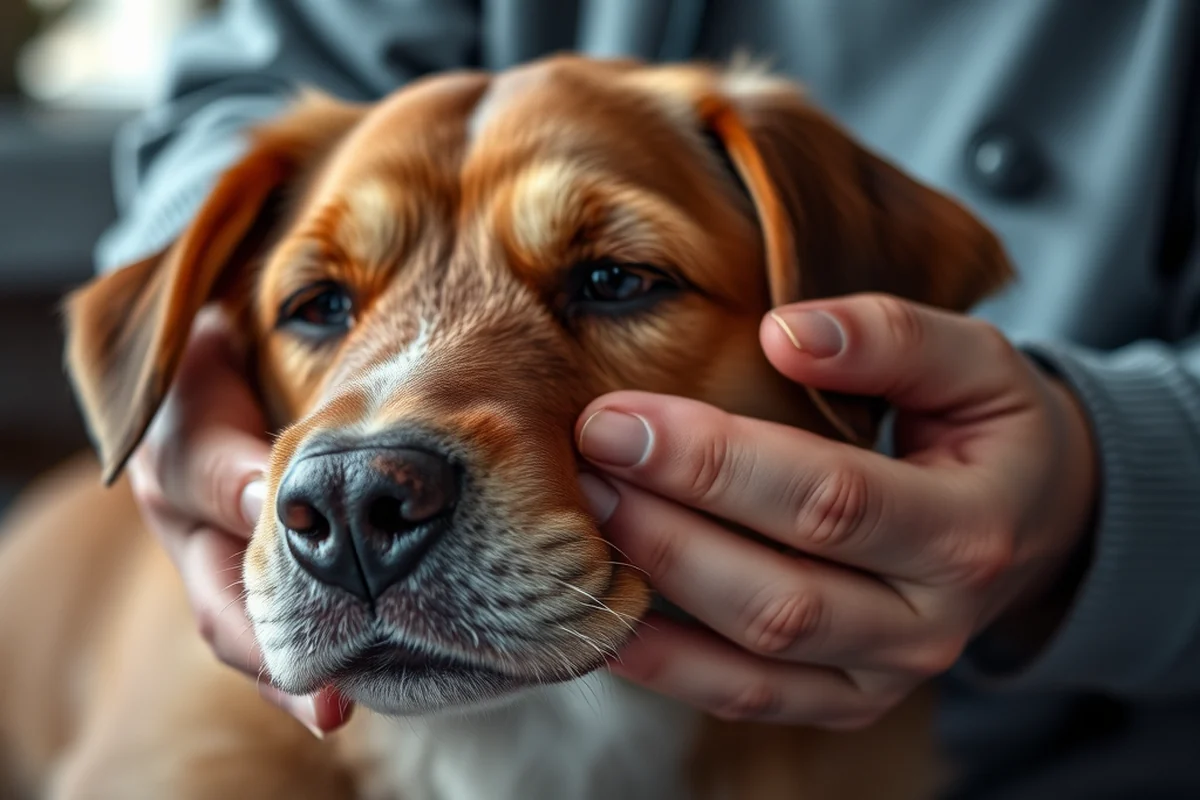
I didn’t realize how much of an impact the height of Max’s food bowl was having on his joints. When he started having trouble rising from the floor, I didn’t think to adjust the bowl. But the act of bending down to reach the food was causing him pain and discomfort every time he ate. It wasn’t until I raised the bowl to his shoulder height that he started eating with ease again.
The right food bowl height can reduce strain on your dog’s neck and joints, especially for older dogs with mobility issues. I found that raising the bowl slightly made a noticeable difference in Max’s posture and overall comfort during meals.
After making this change, I noticed that he no longer hesitated before eating, and his appetite improved. It was a small adjustment with a big impact on his daily well-being.
A simple change in food bowl height can make a world of difference for your senior dog.
Related: End of life dog care breed printable
The Importance of Adjusting Your Dog’s Living Space
As Max’s strength declined, I realized that the furniture in our home was no longer suitable for him. He had trouble climbing onto the couch or getting down from the bed. I rearranged the furniture to minimize steps and added ramps where necessary. This change made it easier for him to move around the house without injury or pain.
Creating a pet-friendly environment is about making small, thoughtful changes. I added non-slip mats on the floors and used ramps instead of stairs. These modifications helped Max move around more freely and reduced the risk of falls.
The most important thing I learned was that a few small adjustments in your home can make a big difference in your dog’s comfort and independence during their final years.
Modify your home to accommodate your dog’s changing mobility needs. Use ramps instead of stairs, add non-slip mats, and rearrange furniture to reduce obstacles.
“The day my labrador, Max, stopped responding to his favorite treat, I knew things were changing.”— Kindlastdays editors
Related: End of life dog care breed checklist
How Clothing and Accessories Can Affect Your Dog’s Comfort
I used to dress Max in a thick sweater during the winter, thinking it was the best way to keep him warm. But as his joints stiffened, the tight fit of the sweater made it harder for him to move. I switched to a looser, more flexible material that allowed him to stretch and move comfortably, even in cold weather.
The right clothing can make a big difference in your dog’s comfort, especially as they age. I found that loose-fitting clothes and blankets with adjustable straps were much more comfortable for Max and allowed him to move freely.
Since making the switch, I’ve noticed that he’s more active and engaged, even on colder days. The change in clothing was a small but meaningful adjustment that improved his overall comfort and well-being.
Related: End of life dog care by breed size ideas
The Role of Size in Your Dog’s Daily Routine
As Max’s mobility declined, his daily routine had to change. I had to adjust how often I walked him and how far we went. I also had to modify the way I interacted with him, making sure not to overexert him during playtime or exercise.
I found that short, frequent walks were better for him than longer ones, and that I needed to be more mindful of his energy levels. This change in routine helped him maintain a better quality of life without putting unnecessary strain on his body.
The most important lesson I learned was that adjusting your dog’s daily routine based on their physical needs is essential for their comfort and well-being. It’s not about changing who they are, but about adapting to their new reality.
🦴 Senior Pet Care
Tailored for aging dogs, focusing on comfort, mobility, and quality of life.
🐶 Small Breed Adjustments
Specific tips for small dogs, considering their unique physical needs and limitations.
🐱 Multi-Pet Home
Strategies for managing multiple pets, ensuring each has the space and care they need.
💰 Budget-Friendly Care
Affordable solutions for end-of-life care, without compromising on your dog’s comfort.
✈️ Traveling with a Senior Dog
Tips for keeping your aging dog comfortable during travel and on the go.
| The mistake | Why it happens | The fix |
|---|---|---|
| Ignoring the need for a lower bed | A bed that is too high or too thick can make it difficult for your dog to get in and out, causing discomfort and strain. | Choose a low-profile bed with enough padding to support your dog’s joints. Test the bed with your dog before making a purchase. |
| Not adjusting the food bowl height | A bowl that is too low can cause your dog to bend down and strain their neck and joints, leading to discomfort. | Raise the food bowl to your dog’s shoulder height. Use a raised food tray or platform to make eating easier and more comfortable. |
| Failing to modify your home for your dog’s mobility needs | As your dog ages, their mobility may decline, making it harder for them to move around the house safely. | Rearrange your home to reduce obstacles and add ramps or steps. Use non-slip mats to prevent falls and improve your dog’s stability. |
| Not considering the right clothing for your senior dog | Tight or ill-fitting clothing can restrict your dog’s movement and cause discomfort, especially as they age. | Choose loose-fitting, breathable clothing that allows your dog to move freely. Avoid thick or constricting fabrics that can cause strain. |
Related: Simple end of life dog care by breed size
End-of-life Dog Care Size Mistakes To Avoid
Related: End of life dog care by breed size for beginners
Common Questions
How can I make my dog’s home more accessible as they age?
What should I do if my dog is having trouble eating?
How can I help my dog stay mobile as they age?
What are the signs that my dog needs a change in their living environment?
References
Cite this guide
Kindlastdays (2026). End-of-life Dog Care Size Mistakes To Avoid. https://kindlastdays.com/end-of-life-dog-care-size-mistakes-to-avoid/
Feel free to cite or share this guide.