
End-of-life Dog Care Routines Checklist
📖 Table of Contents
The first time I noticed the change in my dog, Biscuit, was when he stopped responding to his favorite toy. He used to race me to the couch, pouncing on the squeaky rabbit with a vigor that made my heart ache. But that day, he just sat there, eyes dim, tail limp. It was a moment that shifted everything, and it made me realize how important it is to have a clear end-of-life dog care routines checklist. This wasn't just about comfort for him; it was about preparing for the inevitable with intention and love.[2]
I remember the weight of that first change. It wasn't just a decline in energy, but a shift in everything — from his appetite to his ability to walk. Each day brought new challenges, and I found myself scrambling for information on how to make his final days as peaceful as possible. That's when I started compiling this end-of-life dog care routines checklist, drawing on my own experiences and the advice of my vet and other pet owners going through the same journey.[3]
This checklist isn't just a series of tasks to complete. It's a map through one of the most difficult times in a pet owner's life. I want you to know that it's okay to feel overwhelmed — I was too. But with each step, I found a measure of control, and I hope this guide provides the same for you. It's not about delaying the inevitable, but about honoring the life your dog has given you with the dignity and care it deserves.[4]
Why You'll Love This End-of-Life Dog Care Routines Checklist
- It offers a clear, step-by-step approach to making your dog's final days as comfortable as possible.
- It helps you prepare emotionally and practically, so you're not caught off guard by sudden changes.
- It includes tips from real pet owners and vet professionals who have walked this path before you.
- It ensures your dog's care is consistent and tailored to their needs, even in their final stages.
Monitoring Daily Changes
As of August 2026, the first sign of change for many dogs is a shift in their daily routine. I noticed Biscuit starting to eat less and take longer naps. I made a point to track these changes in a journal, noting the date, time, and any deviations from his normal behavior. This helped me spot patterns and know when to reach out to my vet.
Monitoring daily changes isn't just about recording symptoms; it's about understanding your dog's unique signals. Some dogs may stop barking, others may lose interest in their favorite walks. I learned to read Biscuit's cues — a reluctance to jump on the couch, or a lack of enthusiasm for treats. These small changes told me a lot.
I recommend keeping a notebook or using a digital app to track your dog's habits over time. It's surprising how much you can learn about their health from this simple act. After a few weeks, I could see a clear trend that signaled I needed to adjust his care plan.[1]
Write down your dog's eating, sleeping, and behavior patterns. This helps you spot early signs of decline and keep your vet informed.
Part of our End of life dog care routines schedules guide.
Creating a Comfortable Environment
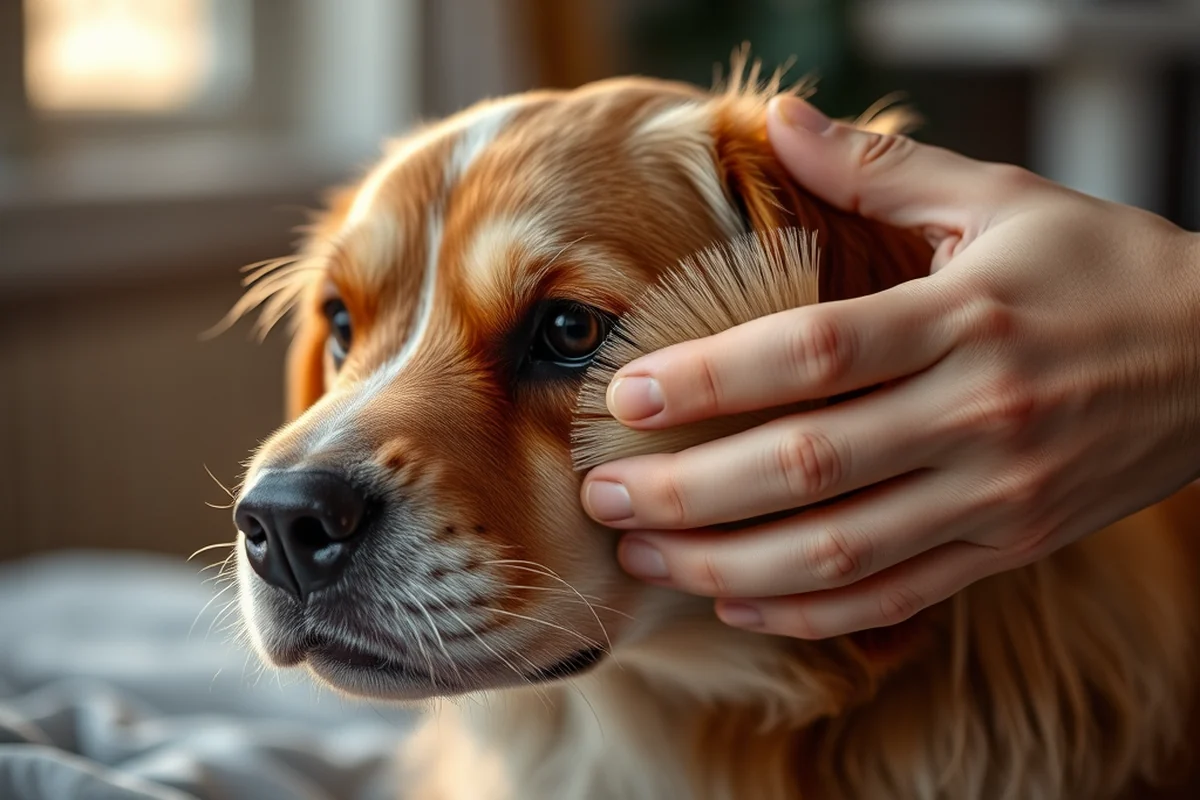
Biscuit's favorite spot was the corner of the living room where the sun would shine through the window. As he began to lose mobility, I moved his bed there and added a soft blanket and heated pad. It made a huge difference in his comfort, and he would often lie there for hours.
I also made sure to keep the environment calm and free from loud noises. I removed the vacuum and other high-pitched appliances that used to startle him. It was a simple change, but it helped him feel safer and more at ease.
Creating a comfortable environment doesn't have to be expensive. A few well-placed blankets, a warm spot, and some familiar items can transform a space into a sanctuary for your dog in their final days.
A dog's final days are not about the end — they're about the love you give them in the moment.
Related: Best end of life dog care routines schedules
Related: End of life dog care routines schedules examples
Related: Quick end of life dog care routines schedules
Related: End of life dog care routines on a budget
Related: End of life dog care routines tips
Adjusting Feeding and Hydration
Biscuit started eating smaller amounts of food, and I noticed he was drinking more water but urinating less. I adjusted his meals to include more moisture, like wet food and broth. This helped him stay hydrated and feel more comfortable.
I also made sure to offer water frequently throughout the day. He wasn't always hungry, but he would drink more often, especially in the morning and evening. I found that keeping a water bowl near his bed made it easier for him to access when he needed it.
It's important to work with your vet to determine the right balance of food and water for your dog. In Biscuit's case, I found that a mix of dry and wet food helped maintain his energy levels while keeping him hydrated.
Offer water in small amounts frequently. Wet food and broth can help increase hydration without forcing your dog to eat large meals.
“The first time I noticed the change in my dog, Biscuit, was when he stopped responding to his favorite toy.”— Kindlastdays editors
Managing Pain and Discomfort

I was terrified when Biscuit started limping and would occasionally yelp when I picked him up. It was heartbreaking to see him in pain, and I knew I needed to act quickly. My vet prescribed a low-dose pain medication that worked wonders. He became more relaxed and even started sleeping through the night again.
I learned that managing pain isn't just about medication. It also involves adjusting his routine to avoid unnecessary stress. I made sure to move his food and water bowls within reach and kept his favorite toys nearby so he didn't have to strain himself.
Pain management is a delicate balance, and it's important to follow your vet's guidance. I found that a combination of medication and environmental adjustments helped Biscuit feel more at ease in his final days.
Emotional Support for You and Your Dog
I remember the day Biscuit stopped responding to me. I felt like I was losing a part of myself. It was during that time that I leaned on friends and family for support. They helped me with tasks, offered a listening ear, and even stayed with Biscuit for a few hours so I could take a break.
I also found comfort in joining a local support group for pet owners who were going through similar experiences. It was reassuring to know I wasn't alone in this difficult journey. We shared stories, tips, and even just a few tears together.
Emotional support is not a sign of weakness. It's a necessary part of caring for your dog and yourself during this time. Taking breaks, seeking help, and allowing yourself to grieve are all part of the process.
🦴 Senior Pet Care
Tailor your checklist to the unique needs of a senior dog, focusing on mobility, diet, and frequent vet checkups.
🐶 Small Breed Care
Small breeds often have different end-of-life needs. Focus on warmth, space, and gentle handling to ensure comfort.
🐾 Multi-pet Home
Adjust your care routine to consider the needs of other pets in the home, ensuring they are also supported during this time.
💰 Budget-friendly Care
Create a low-cost end-of-life plan using affordable options for comfort, food, and pain management.
✈️ Traveling with a Pet
If you're traveling, ensure your dog's end-of-life care is still manageable with portable and flexible solutions.
| The mistake | Why it happens | The fix |
|---|---|---|
| Ignoring early signs of decline | Early signs of decline can be subtle, but they are often the first clues that your dog's health is changing. Not addressing them can lead to discomfort and a less peaceful final period. | Monitor your dog's behavior, appetite, and mobility closely. Keep a journal and consult with your vet if you notice any changes. |
| Not preparing a comfortable space for your dog | A lack of a comfortable environment can increase your dog's stress and discomfort, making their final days more difficult. | Create a quiet, warm, and accessible space for your dog. Use soft blankets, heated pads, and familiar items to help them feel safe. |
| Not seeking emotional support for yourself | Caring for a dog in their final stages is emotionally draining, and not seeking help can lead to burnout and poor decision-making. | Reach out to friends, family, or support groups for help. Take breaks when needed, and don't be afraid to ask for assistance. |
End-of-life Dog Care Routines Checklist
Common Questions
How often should I take my dog to the vet during their final stages?
What should I do if my dog is losing weight rapidly?
How can I help my dog feel more comfortable during the day?
What if my dog is not eating or drinking anymore?
References
- Domestic Violence Program | City of Alexandria, VA (alexandriava.gov)
- PET ASSISTANCE - Ventura County Animal Services (animalservices.venturacounty.gov)
- Test - Life with a Bernadoodle: what new owners should know 7/27/26 (canr.msu.edu)
- Rescuing Rover: A First Aid and Disaster Guide for Dog Owners (docs.lib.purdue.edu)
Cite this guide
Kindlastdays (2026). End-of-life Dog Care Routines Checklist. https://kindlastdays.com/end-of-life-dog-care-routines-checklist/
Feel free to cite or share this guide.