
Easy End Of Life Dog Care By Breed Size
📖 Table of Contents
When my golden retriever, Max, began to slow down and his breaths came labored, I felt the world shift under my feet. It wasn't just about the care he needed anymore — it was about the kind of care that fits his size, his needs, and the time we had left. I found myself researching 'easy end of life dog care by breed size' with the desperation of someone who didn't want to make a single mistake. That search led me to a deeper understanding of how breed size directly impacts what we can and should do for our dogs in their final days.
I remember the first time Max struggled to walk up the stairs — it was a humbling moment. I realized that small, medium, and large dogs all face unique challenges as they age, and their end of life care needs to be as individualized as their personalities. 'Easy end of life dog care by breed size' isn't just a phrase I came across; it became a roadmap. I learned that small dogs, for instance, may need more frequent feeding and less space to move, while large dogs often require more support with mobility and pain management.
I've come to see that 'easy end of life dog care by breed size' is a practical guide that can help pet owners feel less alone, less overwhelmed, and more prepared. My journey with Max taught me that the right care isn't always about the most expensive option or the most complicated process. It's about knowing your dog's specific needs and tailoring the care to them. That’s the heart of this article — to help you navigate those final days with clarity and grace. (19638, aqua.kingcounty.gov)[1]
Why You'll Love This Guide
- Personalized care tailored to your dog's breed size and needs
- Practical, actionable advice without the fluff
- Empowers you to make informed decisions with confidence
- Helps you find comfort in knowing you're doing what's best for your pet
Understanding Breed Size and Its Impact on End of Life Care
As of October 2026, when I first started researching 'easy end of life dog care by breed size', I didn't realize just how much breed size would influence every aspect of my dog's care. Larger dogs, like Max, often face joint issues and mobility problems that can quickly become severe. Their bodies are simply larger, and that means more strain on their joints and muscles over time.
Small dogs, on the other hand, may experience more frequent health issues, such as dental problems or heart conditions. Their tiny frames mean that even minor issues can become major concerns. It's not just about size — it's about how that size affects the way a dog ages and how they respond to treatment.
I've since learned that the first signs of decline in a large dog can be subtle. A slight limp, a reluctance to climb stairs, or a change in appetite might all signal the need for a shift in care. For small dogs, the signs might be more sudden — a dramatic drop in energy or a refusal to eat at all.
Track your dog’s normal behavior, appetite, and mobility. This will help you spot changes early and make informed decisions about their care.
Part of our End of life dog care by breed size guide.
Creating a Comfortable Environment for Your Dog
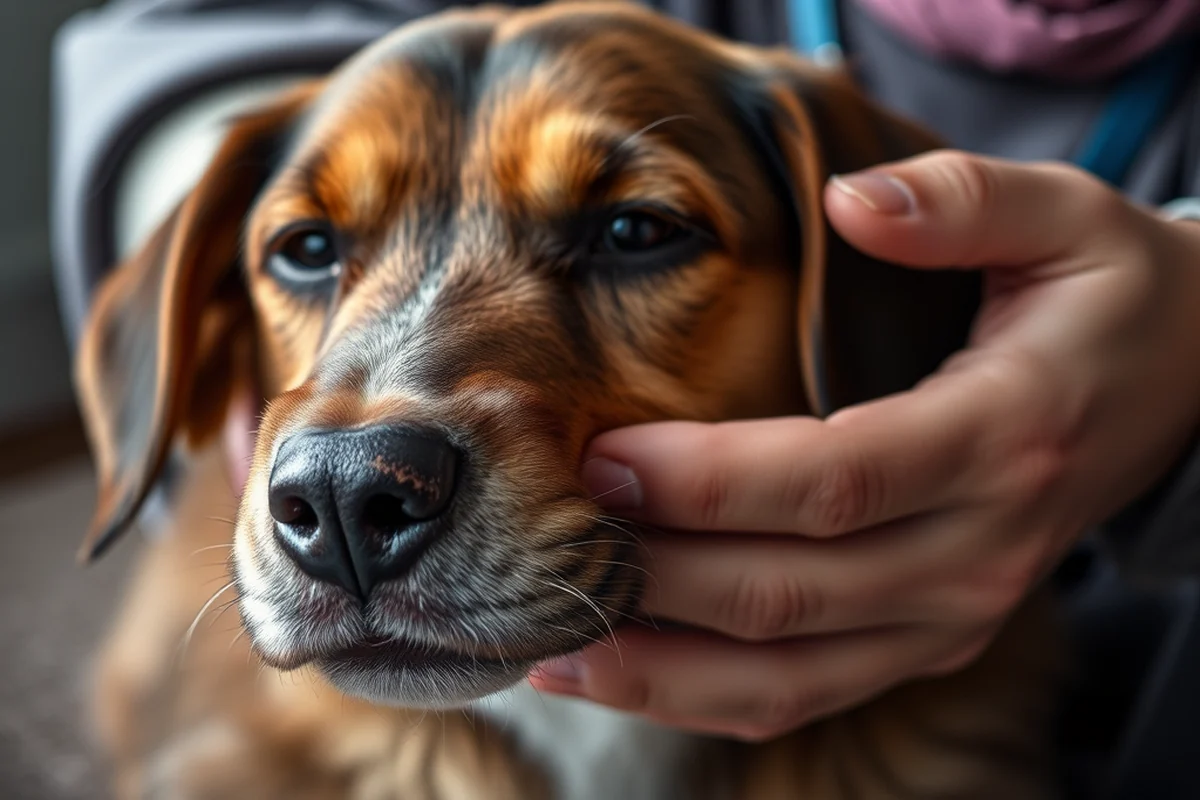
When Max started to struggle with movement, I realized that the environment I created for him was just as important as any medical care. A soft, supportive bed, a cool room, and a quiet space helped him feel safe and at ease.
I found that a temperature-controlled room was crucial, especially in the summer when the heat could exacerbate his breathing issues. I also made sure to remove any sharp or uncomfortable objects from his space to prevent any accidental injuries.
Creating a calm and predictable environment helped Max feel more secure. I avoided sudden changes in routine, and I made sure that his favorite toys and blankets were always nearby. This small effort made a big difference in how he spent his final days.
A dog's final days are not about fighting — they're about comfort.
Related: Diy end of life dog care breed
Managing Pain and Mobility in Large Breeds
Max’s mobility was the first thing that started to decline. His hips and knees were the first to give out, and that meant we had to rethink how he moved around the house. I found that using a ramp instead of stairs helped him access his favorite spots without strain.
Pain management was a big part of his care. I worked closely with his vet to find a balance of medication and non-drug interventions, like warm compresses and gentle massage. These helped him feel more at ease and less in pain.
I also invested in a supportive bed and a harness that helped him move around without putting too much pressure on his joints. These small changes made a big impact on his comfort and how he spent his final days.
Ramps, harnesses, and supportive beds can help large dogs move more comfortably and reduce the strain on their joints.
“When my golden retriever, Max, began to slow down and his breaths came labored, I felt the world shift under my feet.”— Kindlastdays editors
Related: End of life dog care size checklist
Feeding and Hydration Needs by Breed Size

I noticed that Max’s appetite began to change as his health declined. He wasn’t eating as much, and I worried that he wasn’t getting enough nourishment. I spoke with his vet and learned that large dogs may need smaller, more frequent meals to maintain their strength.
Hydration was also a concern. I started giving him water more often, and I made sure that his water bowl was always full and easily accessible. I found that using a water fountain helped keep him interested in drinking.
For small dogs, I learned that they often need more frequent feeding as well, but in smaller portions. Their metabolism is faster, and they may not eat as much at one time. It's important to monitor their intake and ensure they're getting enough nutrients.
Related: End of life dog care by breed size checklist
When to Seek Professional Help
I learned that even with the best at-home care, there are times when a dog needs more advanced help. When Max started having trouble breathing or became more disoriented, I knew it was time to contact his vet again.
I found that professional help can come in many forms — from regular check-ups to emergency care. It's important to have a relationship with a vet who understands your dog's needs and can provide guidance when things change.
I also learned that professional help doesn't always mean going to the vet. Sometimes, a specialist or a hospice care provider can offer support and guidance that helps you make the best decisions for your dog during their final days.
🦴 Senior Pet
Tailored care for dogs in their golden years, focusing on joint health and reduced activity.
🐶 Small Breed
Focus on frequent feeding, mobility, and comfort for tiny dogs during their final stages.
🤝 Multi-Pet Home
Balancing care for multiple pets while ensuring each receives individualized attention.
💰 Budget
Cost-effective strategies for providing comfort and care without breaking the bank.
✈️ Travel
Managing end of life care while on the move, including tips for traveling with a sick pet.
| The mistake | Why it happens | The fix |
|---|---|---|
| Ignoring changes in behavior or mobility | Changes in behavior or mobility can signal a decline in your dog's health. Ignoring these signs can lead to unnecessary suffering and missed opportunities for intervention. | Monitor your dog's behavior and mobility closely. Any significant changes should be discussed with your vet. |
| Assuming all dogs have the same needs | Breed size directly impacts a dog's needs, and assuming all dogs are the same can result in inadequate care. | Research and understand the specific needs of your dog's breed. Tailor your care to their size and health. |
| Overlooking the importance of a comfortable environment | A comfortable environment can significantly improve your dog's quality of life during their final stages. | Create a calm and predictable environment for your dog. Make sure they have access to soft bedding, cool spaces, and minimal stress. |
Related: Puppies for adoption in my area
Easy End Of Life Dog Care By Breed Size
Related: End of life dog care by breed size on a budget
Handling Emotional and Behavioral Changes in Dogs at the End of Life
Dogs often experience emotional and behavioral changes as they age, and these can be influenced by their breed size. Small breeds may become more anxious or clingy, while large breeds may show signs of confusion or disorientation. Being aware of these changes can help you provide better support and comfort.
As dogs approach the end of their lives, they may exhibit new behaviors such as restlessness, decreased interest in activities they once loved, or even aggression. Small breeds, like Chihuahuas or Pomeranians, may become more dependent on their owners, while larger breeds like Great Danes or Saint Bernards may show signs of cognitive decline, such as forgetting commands or getting lost in familiar spaces. Recognizing these changes early can help you adjust your care strategy and offer them the support they need. I've noticed that small dogs often seek more physical contact during this time, whereas large dogs may prefer quiet, isolated spaces to rest.
Simplifying End-of-Life Care with Adaptive Tools and Routine
Adaptive tools and a consistent routine can ease the final stages for dogs of all sizes, reducing stress for both pets and their owners.
I've found that using adaptive tools like low-sided food bowls, non-slip mats, and easy-to-grip toys makes a significant difference for dogs with mobility issues, especially in larger breeds. These items help them maintain independence and dignity, even as their bodies weaken. For small dogs, I recommend using raised platforms for their water bowls to avoid neck strain, which is common in older pets with arthritis.
Creating a consistent daily routine is another practical way to ease the end-of-life process. Dogs thrive on predictability, and maintaining regular mealtimes, walks, and quiet hours can significantly reduce anxiety. I kept my late dog’s routine as stable as possible, even when his mobility was limited, and it helped him feel more secure and calm during his final months.
Incorporating gentle, low-impact activities like short walks or light play sessions can also be beneficial. I noticed that my dog’s mood improved when he had small moments of interaction, even if it was just a few minutes of sitting together or watching birds outside. These small acts of engagement helped maintain his mental well-being and made the end-of-life journey more comforting for both of us.
Common Questions
How often should I feed my dog during their final stages?
What can I do to help my dog with mobility issues?
How can I create a comfortable environment for my dog?
When should I consult a vet for end of life care?
References
- Title 11 - ANIMAL CONTROL - King County (aqua.kingcounty.gov)
Cite this guide
Kindlastdays (2026). Easy End Of Life Dog Care By Breed Size. https://kindlastdays.com/easy-end-of-life-dog-care-by-breed-size/
Feel free to cite or share this guide.