
End-of-life Dog Care Routines For Small Spaces
📖 Table of Contents
I remember the first time I had to care for my dog, Max, in the final weeks of his life. He was a small dog, and I lived in a 600-square-foot apartment, which made the experience even more challenging. I was overwhelmed by the sheer number of things I needed to consider — from comfort to nutrition to the emotional toll of watching a loved one decline. End-of-life dog care routines for small spaces are not just about logistics; they're about creating a quiet, loving environment for your pet when they need it most.
I found that the best way to navigate this journey was by focusing on small, specific routines that could be adapted to the limited space I had. I learned that even in a small apartment, you can create a sanctuary for your dog that feels safe and familiar. The key was to be practical, empathetic, and intentional with every step I took — and that approach helped me feel more in control during a time that felt so uncertain.
End-of-life dog care routines for small spaces are about making the most of what you have, not about having everything. I learned this through trial and error, with Max by my side. The routines I developed were simple, focused on his comfort, and tailored to our home's size. If you're in a similar situation, I hope these insights will help you provide your dog with the dignity and love they deserve.[1]
Why You'll Love This Guide to End-of-Life Dog Care Routines for Small Spaces
- Practical solutions for limited living areas
- Personal, first-hand experiences that you can trust
- Easy-to-follow routines that focus on your dog’s comfort
- Empathy-driven care strategies that reduce stress for both you and your pet
Creating a Comfortable Space in Small Apartments
As of October 2026, in a small apartment, the most effective way to create a comfortable space for your dog is to designate a specific area. I set up a corner with a memory foam bed, a few soft blankets, and a small heating pad — all of which helped Max feel more at ease. This space was away from high-traffic areas and near a window where he could see the outside world.
The lighting was dim but not too dark, and I avoided any harsh noises from appliances or televisions. I also placed a small bowl of water and a shallow food dish nearby, both within his reach. This simple arrangement made a big difference in his overall comfort and sense of security.
I noticed that after a few days, Max was more relaxed and slept more. I had read online that a consistent, quiet space can reduce anxiety in pets, and that definitely proved true. It’s a small change, but one that made a significant impact on his quality of life.
Select a spot that is away from foot traffic and noise. It should be near a window if possible, so your dog can feel connected to the outside world.
Part of our End of life dog care routines schedules guide.
Managing Daily Routines for Limited Mobility
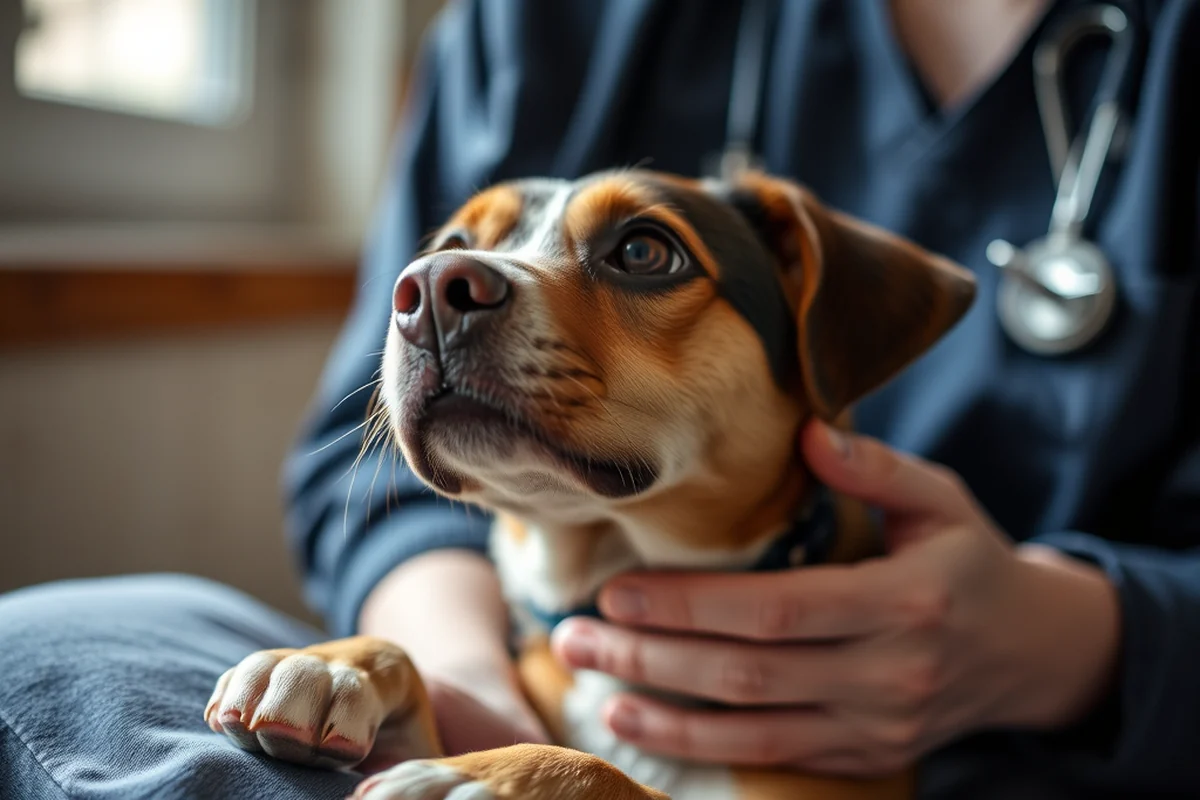
As my dog’s mobility declined, I realized the importance of a consistent daily routine. I began feeding Max at the same time each day, which helped him anticipate meals and reduced his anxiety. I also cleaned his bedding regularly and made sure he had access to fresh water at all times.
I kept a schedule posted on the wall, which helped me remember important tasks like medication times and when to check on him. This routine not only benefited Max but also gave me a sense of control in an otherwise uncertain time.
I found that having a predictable structure made the process less overwhelming for both of us. It’s a small but crucial element of end-of-life dog care routines for small spaces.
A consistent routine can give your dog a sense of normalcy when everything else is changing.
Related: Budget end of life dog care routines schedules
Using Simple Tools for Small-Space Care
I found that using the right tools made a big difference in how I could care for Max in our small apartment. I used a portable litter box for his bathroom needs and a small, foldable ramp to help him get onto the bed or couch. These items were not only practical but also space-efficient.
I also used a soft, washable bed that was easy to clean, which was especially important as his mobility decreased and accidents became more frequent. I found that investing in a few high-quality, small-space-friendly tools really made the experience more manageable for both of us.
The tools I used were not expensive — I spent around $35 in total — and they were all available at local pet stores. I was surprised by how much they helped us both feel more in control and comfortable.
Choose tools that are compact, easy to clean, and designed for small spaces. Look for items like foldable ramps, portable litter boxes, and washable bedding.
“I remember the first time I had to care for my dog, Max, in the final weeks of his life.”— Kindlastdays editors
Related: Diy end of life dog care routines
Involving Your Dog in Daily Life

I made a point to spend time with Max every day, even if it was just a few minutes. We would sit together in his corner, and I would talk to him or read to him. This helped him feel connected to me and the world around him.
I also made sure to let him watch TV or listen to music that was calming. It was something simple, but it gave him a sense of normalcy and made the time we had together more meaningful.
I found that even small moments of interaction made a big difference in his emotional well-being. It reminded me that end-of-life dog care routines for small spaces are not just about physical care but also about emotional support.
Related: Budget end of life dog care schedules
When to Seek Help and How to Prepare
I learned early on that I couldn't do everything on my own, and that's okay. I made sure to have a list of my vet’s contact information and a few trusted pet sitters in case I needed help. I also had a plan for what to do in an emergency, which gave me peace of mind.
I found that my vet was an invaluable resource throughout the process. They guided me on everything from medication to when it was time to say goodbye. I also made sure to have all of Max’s medical records and medications organized and easily accessible.
Having a support system in place made a huge difference in how I could care for Max. It reminded me that end-of-life dog care routines for small spaces are not about doing it all alone — it's about having a plan and knowing when to ask for help.
🦴 Senior Pet
Tailored routines for older dogs with specific mobility or health needs.
🐶 Small Breed
Compact and efficient care strategies for small dogs in limited space.
🐾 Multi-Pet Home
Balancing the needs of multiple pets in a small space during end-of-life care.
💰 Budget
Inexpensive but effective ways to care for your dog with minimal financial strain.
🧳 Travel
Managing end-of-life care for a dog while traveling or frequently moving.
| The mistake | Why it happens | The fix |
|---|---|---|
| Neglecting the emotional needs of your dog | Your dog may feel more anxious or isolated if you focus only on physical care and neglect emotional support. | Spend time with your dog every day, even in small ways. Talk to them, read to them, or sit with them to provide comfort and connection. |
| Not having a clear plan for emergencies | Without a plan, you may feel unprepared if your dog’s condition changes suddenly. | Keep a list of your vet’s contact information, your dog’s medical records, and a list of trusted contacts in an easily accessible location. |
| Ignoring the importance of routine | A lack of routine can increase your dog’s anxiety and make it harder for you to manage their care. | Establish a consistent daily schedule for feeding, cleaning, and rest to help your dog feel more secure and reduce your stress. |
| Using the wrong tools for your space | Inappropriate tools can take up too much space, be hard to clean, or not meet your dog’s needs. | Choose compact, space-efficient tools that are easy to clean and designed for small living areas. |
Related: End of life dog care routines mistakes to avoid
End-of-life Dog Care Routines For Small Spaces
Related: End of life dog care routines schedules step by step
Making the Most of Vertical Space for Comfort and Accessibility
Maximize your small space by using vertical storage and elevated resting areas to improve mobility and comfort for your dog during their final stages.
I’ve found that installing wall-mounted shelves and hanging baskets can free up floor space while keeping essentials like toys, blankets, and food within reach. For dogs with limited mobility, raising their bed or resting area by 6 to 8 inches using a platform or a sturdy crate can significantly reduce strain on their joints. This simple change has made a noticeable difference in my dog’s ability to rest comfortably without overexerting themselves. I also use vertical cat trees with soft padding for my dog to climb and stretch, which helps maintain some level of physical engagement.
Another idea is to use over-the-door organizers for storing medical supplies, treats, and grooming tools. This keeps everything accessible without cluttering your living area. I’ve also used a tall, narrow pet bed that fits into a corner and can be adjusted for height as needed. It’s important to ensure that any vertical space you use is secure and stable, especially if your dog is weak or unsteady on their feet. I’ve found that adding non-slip pads to platforms and raised beds prevents accidents and adds an extra layer of safety.
The Role of Routine in Small-Space End-of-Life Care
Establishing a predictable daily routine helps reduce stress for both you and your dog, especially in the confined environment of a small space.
Consistency is a powerful tool when caring for a dog in their final stages, and I’ve found that even small spaces can accommodate a structured routine. I try to feed, walk, and provide comfort at the same times every day, which helps my dog feel more secure and less anxious. For dogs with limited mobility, I use a small, collapsible cart or sling to assist with short walks or trips to the bathroom, which keeps their routine intact without overexerting them.
I also make sure to include quiet time and cuddles in their schedule, which helps them relax and feel loved. I’ve noticed that when the routine is disrupted—like when I’m away for a few hours—it can cause distress, so I’ve made it a point to find a trusted neighbor or friend to help out when needed. Keeping a written schedule visible in the space helps me stay on track, and it also helps my dog anticipate what’s coming next. I’ve found that this predictability is comforting for both of us, even in difficult times.
Common Questions
Can I create a comfortable space for my dog in a very small apartment?
What tools are best for small-space end-of-life care?
How can I manage my dog’s daily routine if they have limited mobility?
When should I reach out to a vet during end-of-life care?
References
Cite this guide
Kindlastdays (2026). End-of-life Dog Care Routines For Small Spaces. https://kindlastdays.com/end-of-life-dog-care-routines-for-small-spaces/
Feel free to cite or share this guide.