
End-of-life Dog Care Routines Ideas
📖 Table of Contents
I still remember the first time I noticed my dog, Max, moving slower than usual, his once-bouncy steps now hesitant. It was a quiet, unspoken shift, and I knew something was changing. End-of-life dog care routines ideas weren’t something I had ever thought about until that moment. I quickly realized that planning for this stage of a pet’s life wasn’t just about comfort — it was about love, dignity. Ensuring that every last moment with them was as peaceful as possible.
My journey into end-of-life dog care routines ideas began not with a book or a vet, but with a Google search that left me more confused than comforted. There were so many options, so many conflicting advice, and not enough real-world examples of people who had walked this path. I wanted to create a guide that didn’t just list things to do. Gave actionable, specific, and emotionally grounded advice — for pet parents who were trying to do the right thing, even when it felt impossible.
What I found in the process was that the end-of-life dog care routines ideas that worked best were those built on small, consistent actions — things like scheduling regular vet check-ins, creating a calm environment at home. Preparing advance directives. These routines helped me feel in control, even when the future was uncertain. I hope this article will help others navigate this difficult time with more clarity, confidence, and care.
Why You'll Love This Guide to End-of-Life Dog Care Routines Ideas
- Clear, actionable advice for pet owners in the final stages of their dog's life
- Real-world insights from people who have walked this path before
- A guide that prioritizes your dog’s comfort and dignity throughout the process
- A structured, easy-to-follow framework for creating personalized care routines
Creating a Comfortable Environment for Your Dog
As of October 2026, one of the most important end-of-life dog care routines ideas is to create a space that is quiet, warm, and free of stress. This can mean moving your dog to a quieter room in the house, using soft blankets, and minimizing loud noises or sudden movements.
I found that keeping a low level of background noise, like a soft radio or a fan, helped Max feel more at ease. It’s important to avoid sudden changes in temperature, so a room with a consistent, comfortable temperature is ideal.
In my experience, dogs who are in their final stages often become more sensitive to their surroundings. Ensuring that their space is not only physically comfortable but also emotionally safe is a key part of this process.
Wrap your dog in a blanket that smells like you, or one they’ve used before — it can help them feel more secure.
Part of our End of life dog care routines schedules guide.
Scheduling Regular Vet Check-Ins
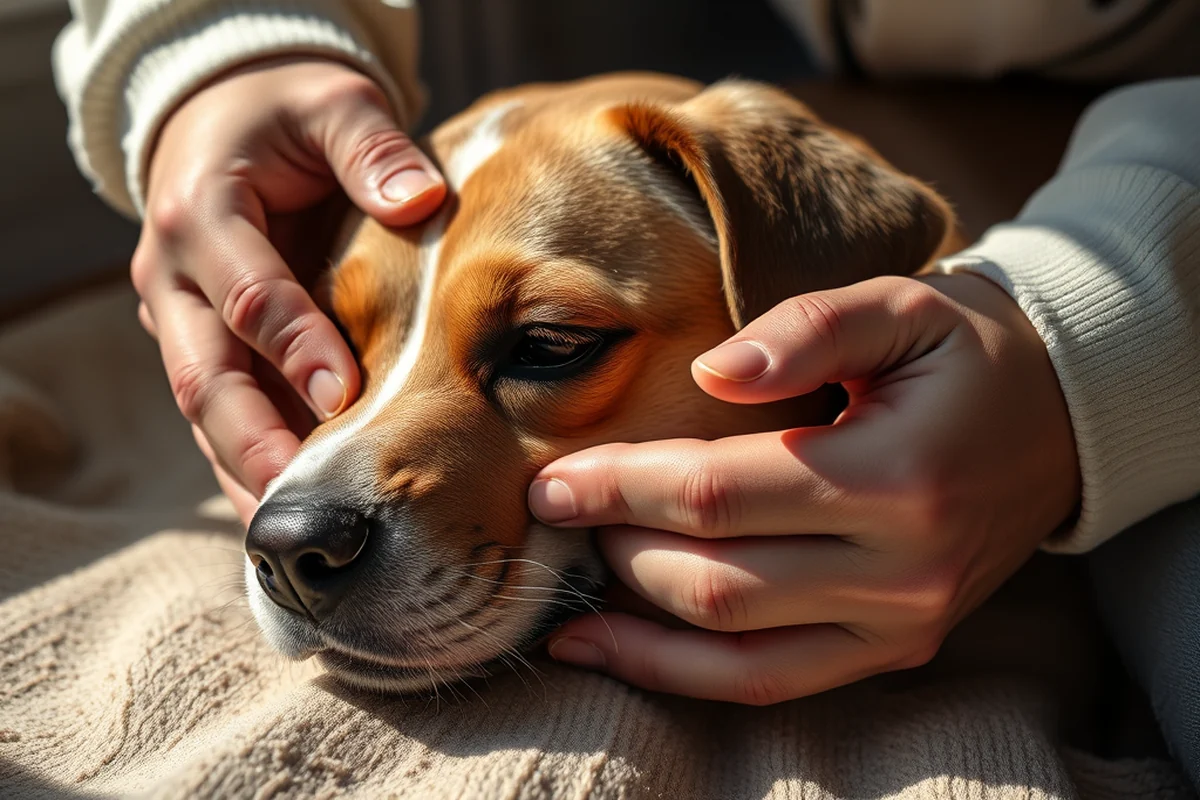
End-of-life dog care routines ideas often include scheduling regular check-ins with your dog’s veterinarian. These visits help track changes in your pet’s health, provide pain management options, and allow you to ask questions in real time.
In my case, I visited Max’s vet twice a week during his final month. This allowed us to adjust his medication as needed and ensured that he was as comfortable as possible.
According to the American Animal Hospital Association, regular check-ins are one of the top recommendations for pet parents during a dog’s final stages. It’s a way to stay proactive, even when things feel out of your hands. (80228, kdhe.ks.gov)[1]
Don’t wait until the last minute — regular check-ins can make all the difference.
Related: Easy end of life dog care routines schedules
Preparing Advance Directives for Your Dog’s Care
One of the most overlooked end-of-life dog care routines ideas is preparing advance directives. These are legal documents that outline your dog’s wishes for medical treatment, euthanasia, and post-death arrangements.
I created a care plan with my vet that outlined the conditions under which I would consider euthanasia, and it gave me clarity during a difficult time. It helped us focus on what was best for Max, not just what felt right for me.
It’s important to consult with your vet or a legal expert who specializes in pet care to ensure that your advance directives are legally binding and properly documented.[2]
Make sure you have a secondary person who knows your dog’s wishes in case you are unable to make decisions for them during a crisis.
“I still remember the first time I noticed my dog, Max, moving slower than usual, his once-bouncy steps now hesitant.”— Kindlastdays editors
Related: What is puppy daycare
Incorporating Gentle Daily Routines
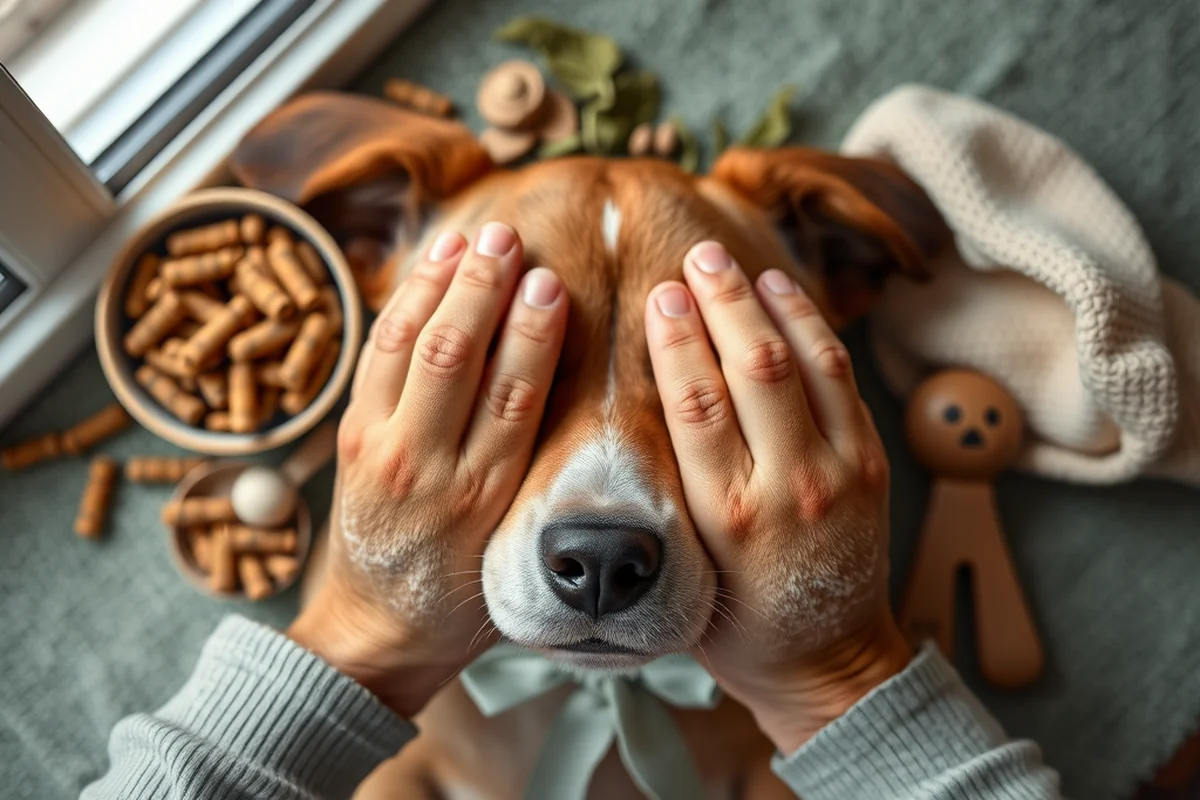
Incorporating gentle daily routines is one of the most effective end-of-life dog care routines ideas. These routines can include feeding them at the same time every day, playing short games, or simply spending time with them.
I found that keeping Max on a regular schedule helped him feel more secure. Even if he didn’t eat much, the consistency of meals and activities gave him a sense of normalcy.
These small routines can have a big impact on your dog’s quality of life. They provide structure, predictability, and a sense of being cared for, even when things are changing.
Related: End of life dog care routines schedules for beginners
Supporting Your Own Emotional Well-Being
One of the most important end-of-life dog care routines ideas is to support your own emotional well-being. Grief and sadness are natural parts of the process, and it’s important to find ways to cope.
I found that talking to friends, joining online support groups, and even seeing a therapist helped me handle the emotional challenges of caring for Max during his final days.
Taking care of yourself doesn’t mean you’re neglecting your dog — it means you’re better equipped to provide the love and support they need during this time.
🦾 Senior Pet Care
Tailor routines to the specific needs of older dogs, including mobility support and regular health check-ups.
🐶 Small Breed Care
Focus on warmth and comfort, as small breeds are more sensitive to temperature changes and require more frequent attention.
🐾 Multi-Pet Home Care
Create a space that allows your dog to feel safe while still being part of the family dynamic.
💰 Budget-Friendly Care
Use affordable alternatives like homemade treats, low-cost veterinary visits, and secondhand pet supplies.
🧳 Traveling with a Dying Dog
Plan ahead with a portable care kit, and consider the logistics of moving a dog in their final stages.
| The mistake | Why it happens | The fix |
|---|---|---|
| Neglecting regular vet visits | This can lead to missed opportunities for pain management and other critical care adjustments. | Schedule regular check-ins with your vet to monitor your dog’s condition and make informed decisions. |
| Overlooking the importance of emotional support for yourself | This can lead to burnout and emotional distress, which can negatively impact your dog’s care. | Find a support system, whether it’s friends, family, or professional help, to help you navigate this difficult time. |
| Creating too rigid of a schedule | This can cause stress for your dog, especially if they are already unwell or in discomfort. | Be flexible with your dog’s needs and adjust routines as necessary to ensure their comfort. |
| Making sudden changes in your dog’s environment | This can increase stress and anxiety for your dog, which can worsen their condition. | Make any changes slowly and carefully, ensuring that your dog feels safe and secure throughout the process. |
Related: Zoomies dog and daycare
End-of-life Dog Care Routines Ideas
Related: Dog day care
Managing Pain and Discomfort with Natural and Medical Approaches
I’ve also experimented with massaging my dog’s muscles with a small amount of coconut oil, which not only helps with dryness but also provides a gentle form of physical therapy. I do this for about 10 minutes each day, focusing on her legs and back. This routine has helped ease her muscle tension and improve her mobility slightly. I’ve also set up a quiet corner with a soft bed and a few of her favorite toys, which she often retreats to for comfort. These small efforts have made a real difference in her overall well-being.
Navigating the Decision to Euthanize with Compassion and Clarity
After making the decision, I focused on creating a peaceful and loving environment for her final moments. I arranged for a quiet space where she could feel safe, and I made sure to be by her side throughout the entire process. I’ve learned that this is a deeply personal decision, and there’s no one-size-fits-all approach. What matters most is that your dog feels loved, calm, and at peace, no matter what path you choose.
Creating a Personalized Memorial or Tribute for Your Dog
Honoring your dog after they pass can be a meaningful way to keep their memory alive and find closure.
I created a small wooden plaque with my dog’s name, birth and passing dates, and a short note about their personality. I placed it in our backyard where they used to love to run. It became a quiet spot for me to visit when I needed comfort. A personalized memorial doesn’t have to be expensive or elaborate — it can be as simple as a photo frame with their favorite picture or a playlist of songs they loved. The key is to make it something that feels right for you and your dog’s unique story.
I also started a small journal where I wrote down memories, funny moments, and lessons my dog taught me. This helped me process my grief in a structured and therapeutic way. I filled it with drawings, newspaper clippings, and even a few of their favorite toys. It became a tangible connection to my dog that I could revisit whenever I needed to feel close to them again. Keeping a tribute journal is a low-cost, high-impact way to honor your dog and preserve their legacy.
Another idea I tried was planting a tree in my dog’s memory. I chose a sapling that had a name matching their nickname, and I visited it every week to water it and talk to it. It gave me something to look forward to and a sense of purpose during a difficult time. Planting a tree is a beautiful way to symbolize growth and lasting love, and it can be a living reminder of how your dog impacted your life. This approach is eco-friendly, meaningful, and provides a lasting tribute that you can pass on to future generations.
Common Questions
What should I do if my dog is in pain during their final days?
How can I help my dog feel more at ease in their final days?
Should I consider euthanasia for my dog?
How often should I visit the vet during this time?
References
- Compendium of Veterinary Standard Precautions for Zoonotic ... (kdhe.ks.gov)
- One health considerations in veterinary palliative medicine (sciencedirect.com)
Cite this guide
Kindlastdays (2026). End-of-life Dog Care Routines Ideas. https://kindlastdays.com/end-of-life-dog-care-routines-ideas/
Feel free to cite or share this guide.