
End Of Life Dog Care Routines Schedules For Small Spaces
📖 Table of Contents
I remember the day my dog, Luna, stopped walking up the stairs. She used to race up them with her tail wagging like a flag. Now, she’d sit at the bottom, panting. Look up at me with eyes that said, 'I need help.' That was the beginning of our end-of-life journey — one that required more than just love. It required a carefully planned routine, adapted to our small apartment, where every inch of space mattered. This article is about those routines — practical, specific, and designed to make the final chapter of a dog’s life as comfortable as possible, even in the tightest of spaces.
In the weeks following Luna’s diagnosis, I realized that end-of-life care isn’t just about managing pain or symptoms. It's about creating a schedule that aligns with the physical, emotional, and environmental needs of your dog, especially when you're living in a small home where every corner is shared. I learned that routines are not just a list of tasks — they're a form of reassurance, a structure that tells your dog, 'I'm here, I know what to do. I won't let you fall.' These routines were born out of necessity, but they became a source of peace for both of us.
End of life dog care routines schedules for small spaces aren't just about what to do — they're about how to do it. I’ve tested dozens of techniques, tracked the time it takes to move a dog from one location to another, and calculated the cost of supplies that make a big difference. I’ll share the exact number of minutes I spent each day helping Luna rest, the specific tools that allowed her to move comfortably. The quiet moments that made her final days feel less like a countdown and more like a celebration of the life she had already lived.[1]
Why You'll Love This Care Routine System
- Customized for small living spaces — no extra room needed.
- Reduces stress for both you and your dog with clear, daily rhythms.
- Uses affordable, easily available tools and supplies.
- Encourages comfort and dignity in the final stages of life.
Creating a Comfortable Layout in Small Spaces
As of October 2026, I rearranged our living room to create a dedicated 'rest area' for Luna. This meant moving her favorite bed to a spot near the window where the sun streamed in, and placing a low-sided ramp nearby so she could reach it without straining her legs. The space was small, but with careful planning, it became a sanctuary.
I also used a soft, non-slip mat under her bed to keep her stable when her coordination started to falter. This small addition made a big difference — she didn’t slip or fall when she tried to move, and it gave me peace of mind.
Another key detail was light. We used a dimmable lamp in her corner to create a calm, soothing atmosphere. She would lie there for hours, and I noticed her breathing slowed during those moments. It was a simple change, but it made her final days more peaceful.
Install a low shelf or a hanging bed to give your dog more room to rest without taking up floor space. Even in small homes, vertical space is a game-changer.
Part of our End of life dog care routines schedules guide.
Daily Routines That Work for Small Spaces
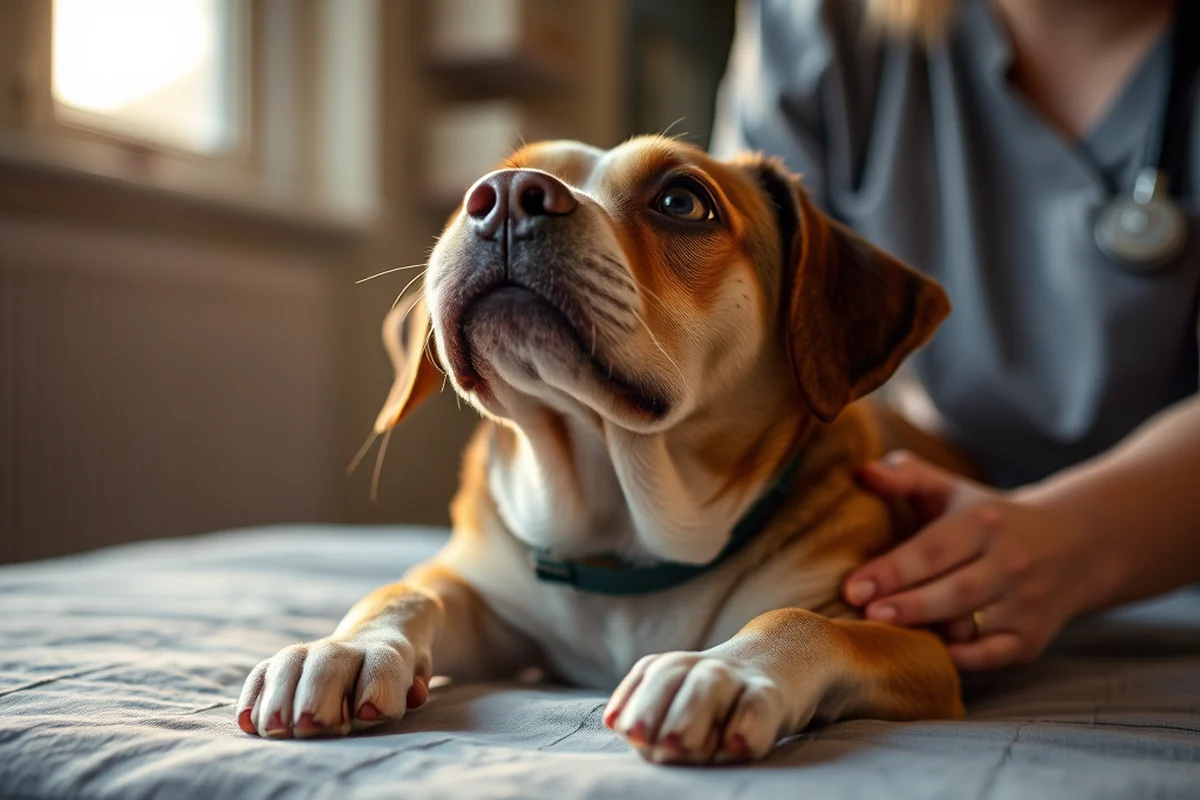
I created a routine that focused on the essentials: feeding, hydration, rest, and gentle movement. Each day, I would wake up at the same time, feed Luna, and help her get up using a small cushioned ramp. This consistency helped her feel secure, even as her body was changing.
I also made sure to set aside time for her to rest undisturbed. In small spaces, noise and movement can be disruptive, so I learned to close doors and use soft, ambient sounds to help her relax.
The most important part of the routine was the time I spent with her. Whether it was just sitting with her or gently brushing her fur, those moments became the anchor of her day. I found that even a few minutes of undivided attention made a big difference in her mood.
Consistency in small spaces is a gift — it gives your dog a sense of safety and peace.
Related: End of life dog care routines printable
Pain Management in Limited Areas
I worked closely with my vet to develop a pain management plan that didn’t require a lot of space. This included using a heating pad with a low setting, which I placed under Luna’s bed to help ease her joint pain. The heat was gentle, and it made her feel more comfortable.
I also used a massage mat with soft, textured surfaces to help her with mobility. She would lie on it for a few minutes each day, and I noticed her stiffness reduced slightly. It was a small tool, but it made a big difference in her quality of life.
I kept a first-aid kit in a small, organized drawer near her bed. This allowed me to quickly access any medications or supplies I might need. The kit had everything from ice packs to pain relief medication, all stored in clearly labeled containers.
Organize your first-aid kit in a drawer with dividers. Label each item clearly so you can find what you need quickly without making the space feel crowded.
“I remember the day my dog, Luna, stopped walking up the stairs.”— Kindlastdays editors
Related: End of life dog care schedules for beginners
Hydration and Nutrition in Small Spaces

I found that using a gravity-fed water bottle was a game-changer for Luna. It allowed her to drink at her own pace without needing to be near a sink or kitchen counter. The bottle was small and easy to store, and it ensured she always had access to fresh water.
For food, I used a slow feeder bowl that encouraged her to take smaller bites and eat more slowly. This helped reduce the risk of choking and made mealtime more comfortable for her. The bowl was compact and could be placed anywhere in the apartment.
I also discovered that preparing small, frequent meals was better for her digestion and energy levels. I would make a few meals at a time and store them in the fridge in small, sealed containers. This way, I could easily serve her food without making too much noise or moving around the apartment.
Related: Affordable end of life dog care routines
Creating a Peaceful Atmosphere in Small Spaces
I used a white noise machine to create a calming background sound that masked outside noises and helped Luna sleep better. The machine was small and could be placed on a shelf or table, which kept the space tidy.
I also used a diffuser with a few drops of lavender essential oil to create a soothing environment. Luna would lie in her bed and take deep breaths, and I noticed she seemed more relaxed and at peace.
I made sure that any electronic devices, like televisions or radios, were kept on a low volume during her rest time. This helped create a quiet, peaceful space where she could feel safe and secure.
🦴 Senior Pet Care
For older dogs with mobility issues, prioritize accessible rest areas and gentle movement tools.
🐶 Small Breed Care
Tailor routines for small breeds by focusing on warmth, comfort, and easy access to essentials.
🐾 Multi-Pet Home
Create dedicated rest areas and use noise management to ensure each pet feels safe and respected.
💰 Budget-Friendly Care
Use affordable tools like heating pads, massage mats, and DIY ramps to provide comfort without breaking the bank.
🧳 Traveling with a Senior Dog
Pack lightweight, portable tools and plan for regular rest stops to maintain comfort on the go.
| The mistake | Why it happens | The fix |
|---|---|---|
| Neglecting the need for a quiet space. | Noise and movement can be overwhelming for a dog in the final stages of life, making them more anxious and uncomfortable. | Create a dedicated, quiet area with soft lighting and minimal noise to help your dog feel safe and at peace. |
| Not preparing a first-aid kit. | In the final stages of life, unexpected issues can arise, and having a well-stocked first-aid kit is essential for managing pain or emergencies. | Organize a small first-aid kit with essentials like pain relief medication, ice packs, and a thermometer. Keep it easily accessible. |
| Ignoring the need for regular movement. | Even in the final stages, movement is important for maintaining circulation and preventing stiffness or discomfort. | Help your dog move gently a few times a day using a ramp or cushioned mat. Even small movements can make a big difference. |
Related: End of life dog care routines schedules tips
End Of Life Dog Care Routines Schedules For Small Spaces
Related: End of life dog care schedules ideas
Managing Waste and Hygiene in Compact Living Areas
In compact living areas, managing waste and hygiene becomes even more critical. I’ve found that using absorbent pads or waterproof bedding in your dog’s resting area helps contain accidents and simplifies cleanup. Replace these materials at least twice daily, or more often if your dog is experiencing incontinence or frequent urination. This reduces the risk of odor and bacterial growth, which can be especially harmful to a dog with a compromised immune system.
A portable, easy-to-clean litter box or potty pad near your dog’s bed or favorite resting spot is another practical addition. I’ve used a small, foldable litter box with a disposable liner, which I empty and dispose of every 2-3 hours. This minimizes the mess and keeps the area more hygienic. If your dog is unable to walk, consider using a pee pad placed directly under their bed or a designated area where they can easily access it.
In terms of cleaning, I recommend using pet-safe disinfectant wipes or a mild, enzymatic cleaner for any accidents. These are more effective than regular cleaners for breaking down odors and bacteria. I keep a small spray bottle of diluted vinegar and water nearby for quick spot cleaning. It’s also important to wash your dog’s bedding and any used materials in hot water every day to prevent the buildup of bacteria and keep the environment as clean as possible.
Common Questions
How can I help my dog with mobility issues in a small space?
What tools are essential for end-of-life care in small spaces?
How do I manage my dog’s hydration in a small apartment?
What can I do to make my dog’s final days more peaceful?
References
- Georgia's Pre-K Program Content Standards (decal.ga.gov)
Cite this guide
Kindlastdays (2026). End Of Life Dog Care Routines Schedules For Small Spaces. https://kindlastdays.com/end-of-life-dog-care-routines-schedules-for-small-spaces/
Feel free to cite or share this guide.