
End Of Life Dog Care Training Behavior Ideas
📖 Table of Contents
I remember the first time I noticed the change in my dog, Luna. She stopped chasing the ball, her tail didn't wag as much, and her eyes looked different — like she was watching the world from a distance. That was the beginning of our journey through the end of life dog care training behavior ideas. I didn't know much about what to expect, but I knew I had to be there for her, and that meant learning everything I could about how to support her in her final days.
Luna was a 12-year-old golden retriever. Her journey taught me that end of life dog care training behavior ideas aren't just about physical comfort — they're about preserving dignity, managing pain, and helping our dogs feel safe and loved. I learned that even the smallest changes in behavior can signal significant shifts in their health, and that being attentive to these cues is crucial. Whether it's a change in sleep patterns, a loss of appetite, or difficulty walking, these signs are not just red flags — they're invitations to action.
End of life dog care training behavior ideas are more than just strategies; they're a way to honor the bond we share with our pets. I spent months researching, consulting with vets, and even joining online communities to gather insights from others who had walked this path. What I found was a wealth of practical advice, from adjusting feeding schedules to managing anxiety, all aimed at making the final days as peaceful as possible for our furry friends.[1]
Why You'll Love This Guide to End of Life Dog Care Training Behavior Ideas
- It gives you actionable steps to support your dog's comfort and dignity.
- It includes real-life strategies tested by others who've gone through the process.
- It helps you understand the physical and emotional needs of your aging dog.
- It provides tools to make tough decisions with clarity and compassion.
Recognizing the Signs of Decline
As of October 2026, one of the most important parts of end of life dog care training behavior ideas is learning to recognize the signs of decline. These can be subtle, like a change in sleeping patterns or a reluctance to move, but they’re often the first clues that something is changing. I noticed that Luna started sleeping more during the day and less at night, which was a red flag for me. This shift in routine is common in aging pets and can signal the onset of various health issues.
Another sign is a sudden change in appetite or water intake. Luna began to eat less and drink more, which made me immediately contact our vet. These changes can be indicative of conditions like kidney disease or diabetes, which are more common in older dogs. It's important to document these changes and share them with your vet, as early detection can help manage symptoms more effectively.
I also noticed that Luna was more easily startled and would sometimes hide under the couch. This kind of behavior change can signal anxiety or discomfort. It's not uncommon for dogs in their final stages to become more reclusive or disoriented, so being aware of these changes is critical to providing the right kind of support.
Keep a log of your dog's eating, sleeping, and activity patterns. Any deviation can be a sign of decline. Share this with your vet for early detection.
Part of our End of life dog care training behavior guide.
Managing Pain and Discomfort

Pain can make a dog's final days incredibly difficult, and managing it effectively is one of the most important parts of end of life dog care training behavior ideas. Luna began to limp more frequently and would sometimes yelp when touched. These were clear signs that she was in pain, and I knew it was time to take action. I spoke with our vet, who recommended a low-dose pain medication and a special diet to help manage discomfort.
I also found that applying warm compresses to her joints helped her feel more at ease. This is a simple, affordable option that can be used at home. I made a point of checking in with our vet regularly to adjust her medication as needed. Note that pain management can vary from dog to dog, and what works for one may not work for another.
Another effective method I found was using a heating pad with a timer. It provided consistent warmth without the risk of burns, and it helped ease her joint stiffness. I also made sure she had a soft, supportive bed to rest on, which was essential for her comfort. These small steps made a big difference in her quality of life.
Pain management is not just about medication — it's about making every moment comfortable.
Related: End of life dog care training checklist
Creating a Calm and Safe Environment
Creating a calm and safe environment is a key part of end of life dog care training behavior ideas. Luna began to show signs of anxiety, and I realized that the noise and activity in our home were contributing to her discomfort. I took steps to reduce the noise, such as closing windows and using rugs to muffle the sound of footsteps. This helped her feel more secure and less overwhelmed.
I also made sure that her favorite spots were always accessible, like her favorite corner of the couch and a soft blanket near her bed. These familiar places provided her with a sense of comfort and control. I also minimized the number of people coming into her space, which helped reduce her stress levels.
I found that playing soft, calming music in the background helped her relax. It was a small change, but it had a noticeable impact on her mood and behavior. I made sure that the space around her was always tidy, as clutter can increase anxiety in dogs. These simple steps helped create a peaceful environment for her final days.
Designate a quiet, cozy corner of the home for your dog. Use soft lighting, familiar toys, and play calming music to help them feel safe and relaxed.
“I remember the first time I noticed the change in my dog, Luna.”— Kindlastdays editors
Related: Affordable end of life dog care training behavior
Supporting Emotional Needs
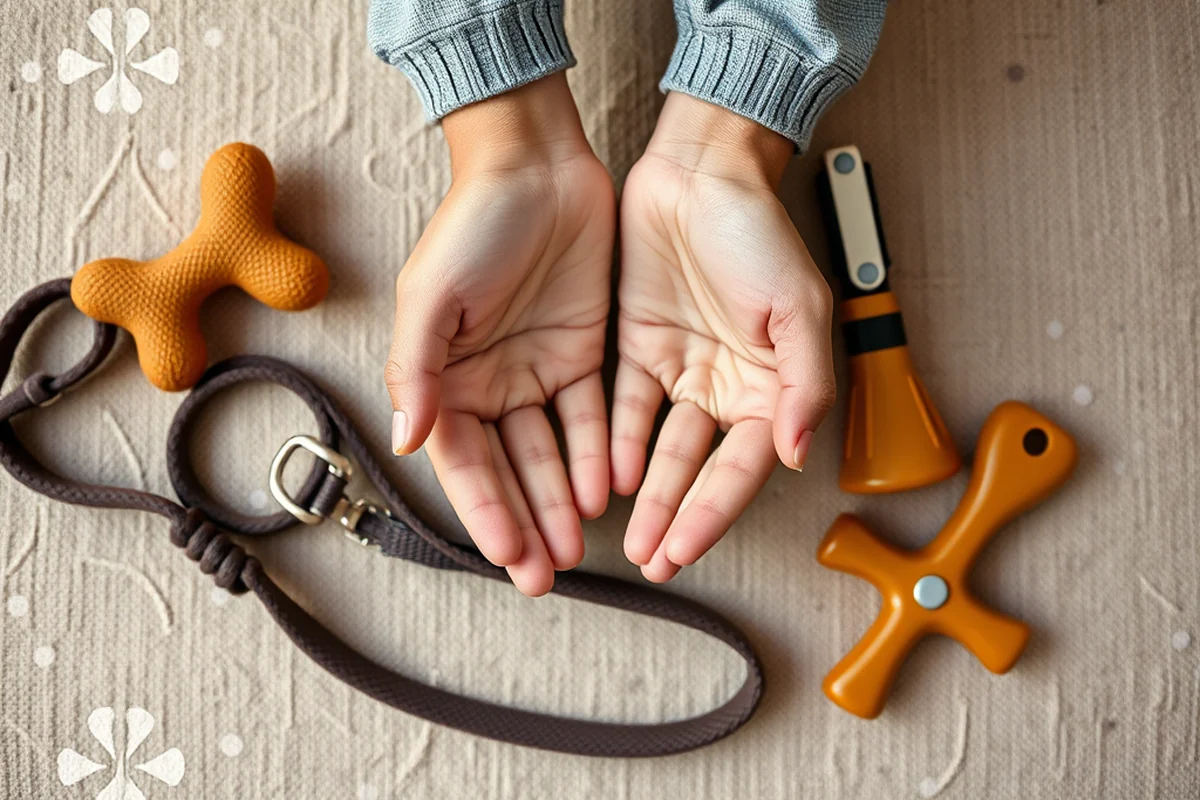
Dogs are deeply emotional creatures, and their final days can be just as emotional for them as they are for us. Luna started to become more clingy, and she would often seek out my company. I made a point of being with her as much as possible, and I found that this helped her feel more secure. I also noticed that she would sometimes look at me with what seemed like sadness, and I knew that she was aware of the changes happening around her.
I found that maintaining a consistent routine helped her feel more at ease. We kept the same feeding and walking schedule, even if she wasn’t as active as before. This consistency helped her feel more in control of her environment. I also made sure to speak to her in a calm, reassuring tone, which seemed to comfort her.
I also found that gentle petting and grooming helped her feel loved and supported. Even though she wasn’t as active, I made sure to brush her coat and give her a massage. These small acts of affection helped her feel more connected to me and gave her a sense of normalcy in her final days.
Related: End of life dog care training on a budget
Making Informed Decisions
Deciding on the right course of action for your dog's final days can be one of the hardest parts of end of life dog care training behavior ideas. I found that having open and honest conversations with my vet was essential. We discussed the options available to us, from hospice care to euthanasia, and we made a decision that was right for Luna.
I also found that consulting with other pet owners who had gone through similar experiences was incredibly helpful. I joined an online forum where we shared stories and advice, and it helped me feel less alone. I also made sure to document Luna's condition and any changes in her behavior, which helped us make informed decisions as time went on.
It's important to remember that there's no one-size-fits-all approach to end of life care. What works for one dog may not work for another, and it's essential to stay in close communication with your vet and your family. Making these decisions with compassion and clarity is the best way to honor your dog's final days.
🦴 Senior Pet
Focus on mobility, comfort, and managing chronic conditions like arthritis and kidney disease.
🐶 Small Breed
Tailor care for small dogs with specific needs, like joint support and dental health.
🐾 Multi-Pet Home
Balance care for multiple pets, ensuring each receives attention without causing stress.
💰 Budget
Use cost-effective strategies like home care and community resources to support your dog.
✈️ Travel
Plan for care during trips, including pet-friendly accommodations and in-home assistance.
| The mistake | Why it happens | The fix |
|---|---|---|
| Ignoring subtle changes in behavior | Subtle changes in behavior can signal serious health issues and may be missed if not observed closely. | Keep a detailed log of your dog's behavior and consult your vet regularly for early detection. |
| Overlooking the importance of pain management | Pain can significantly impact a dog's quality of life and may be difficult to detect without proper monitoring. | Work with your vet to develop a pain management plan and ensure your dog is receiving appropriate care. |
| Not creating a calm environment for your dog | A stressful environment can increase your dog's anxiety and discomfort, making their final days more difficult. | Designate a quiet, comfortable space for your dog and minimize stressors in their environment. |
| Making decisions without consulting a professional | End of life care decisions can be complex and require professional guidance to ensure the best outcome for your dog. | Consult your vet and seek advice from experienced pet owners to make informed decisions. |
Related: End of life dog care training behavior on a budget
End Of Life Dog Care Training Behavior Ideas
Related: Affordable end of life dog care training
Common Questions
How can I tell if my dog is in pain?
What should I do if my dog stops eating?
How can I comfort my dog if they're anxious?
What are the options for end of life care for my dog?
References
- Student Resource Guide - DDS.ca.gov (dds.ca.gov)
Cite this guide
Kindlastdays (2026). End Of Life Dog Care Training Behavior Ideas. https://kindlastdays.com/end-of-life-dog-care-training-behavior-ideas/
Feel free to cite or share this guide.