
End-of-life Dog Care Training For Small Spaces
📖 Table of Contents
When my dog, Luna, was diagnosed with kidney disease, I found myself in a new kind of crisis. I had always imagined her golden years to be filled with long walks and sunny afternoons, not medical appointments and complicated care routines. My tiny apartment had never felt so cramped, and the thought of managing her end-of-life care in such a small space felt impossible. But with time, research, and a few hard-earned lessons, I learned how to create a sanctuary for her right at home.
End-of-life dog care training for small spaces is not just about making room in your home — it's about making space in your heart. It’s about learning how to balance the physical and emotional demands of caring for a beloved pet in the final stages of their life, when every day is a precious gift. I’ve spent hours adjusting blankets, rearranging furniture, and figuring out how to keep her comfortable without turning my home into a hospital.[1]
The truth is, most of us aren't prepared for the practical realities of end-of-life care for our pets. You're not just dealing with a medical diagnosis — you're also reorganizing your life, your home, and your emotional bandwidth. But with a few small adjustments, even the most compact living spaces can become a safe, loving environment for a dog in their final days. Here's how.
Why You'll Love This End-Of-Life Care Approach
- Maximize comfort in even the most compact homes
- Create a calm, familiar environment for your dog
- Save time and money with practical, easy-to-implement strategies
- Maintain a sense of normalcy and peace for you and your pet
Designing a Cozy Corner for Your Dog
As of August 2026, I carved out a corner of my apartment with a soft bed, a heating pad, and a low-sided crate that doubled as a cozy hideaway. The key was to make sure this space was quiet, warm, and away from high-traffic areas. I used blankets and cushions to create layers of comfort and made sure the bed was elevated to avoid moisture and cold from the floor.
I found that placing the area near a window helped her feel connected to the outside world, even if she wasn't able to go outside. I kept the room dim and used a nightlight to avoid startling her. Over time, she began to associate this space with safety and relaxation, and I noticed she would spend most of her day there.
A small space doesn't mean less comfort. By focusing on texture, temperature, and simplicity, I was able to create a peaceful retreat for Luna in just a few square feet. This corner became her sanctuary, and I saw a marked improvement in her demeanor and relaxation levels.
Layer blankets, cushions, and heated pads to create a warm, soft bed. Avoid using thick, heavy materials that could restrict movement or cause overheating.
Part of our End of life dog care training behavior guide.
The Power of Routine in End-of-Life Care
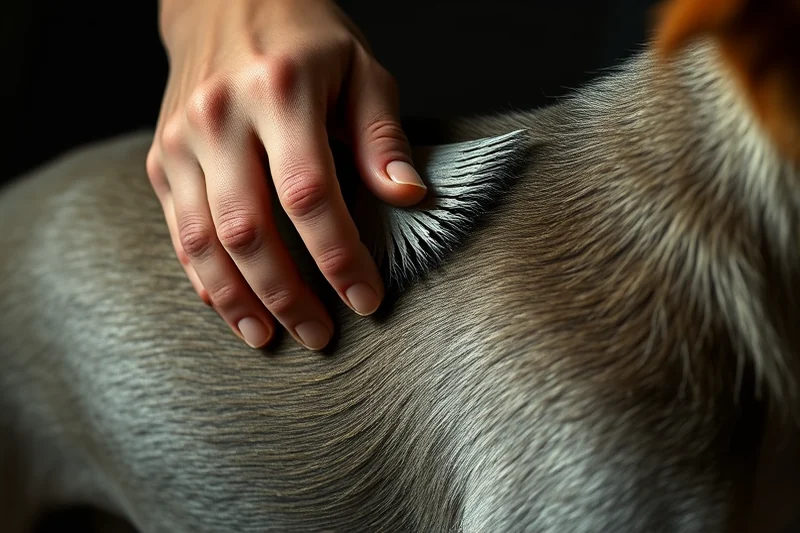
I made it a point to feed Luna at the same time each day, take her for short walks, and keep her bed and toys in the same place. This consistency helped her feel more in control of her environment, even as her health declined. I noticed that she was more relaxed and less anxious when I stuck to these routines.
I also made sure to keep her on a regular schedule for any medications or treatments. This not only helped her body adjust but also gave me a sense of structure during a time that felt chaotic and unpredictable. My days became more predictable, and I found that helped me manage my own emotions and stress better.
Routine is a small but powerful tool in end-of-life care. It gives your dog a sense of security and helps you stay focused on what matters most — being present with them and making their final days as comfortable as possible.
A consistent routine can be a lifeline for both you and your dog during this time.
Related: End Of Life Dog Care Routines Schedules Tips
Related: Dog End Of Life Care Step By Step
Related: End of life dog care behavior checklist
Related: End Of Life Dog Care Training Behavior For Small Spaces
Related: End of life dog care behavior tips
Related: End Of Life Care Dog Cost Reviews
Related: How To Get Service Dog
Using Natural Light and Sound to Ease Anxiety
I kept a window open in her corner during the day to let in natural light. I noticed that she seemed more alert and calm when she had access to daylight, even if she wasn't going outside. I also used soft, ambient music to help her relax during the evenings, and I found that this helped reduce her anxiety and restlessness.
I made sure that the music was low and calm — nothing with sudden changes or loud noises. I played a mix of nature sounds and soft piano music, and I found that this helped create a peaceful atmosphere. I also kept the room quiet during the day, avoiding any sudden or loud noises that could startle her.
Natural light and gentle sounds can make a big difference in your dog's comfort and peace of mind. These small changes can help them feel more at ease and create a more soothing environment in your home.
Use soft lighting, minimal noise, and natural sounds to help your dog feel at ease. Avoid sudden changes in light or sound that could startle or agitate them.
“When my dog, Luna, was diagnosed with kidney disease, I found myself in a new kind of crisis.”— Kindlastdays editors
Managing Pain and Discomfort in a Small Space
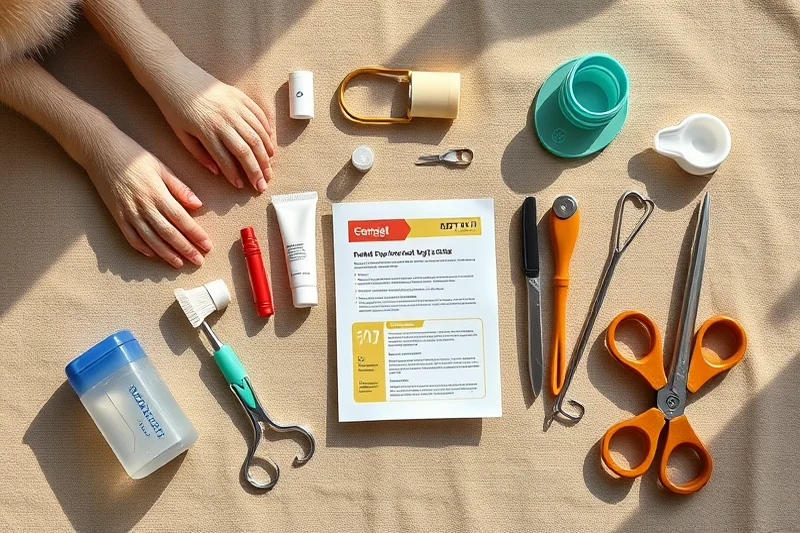
I worked closely with my vet to develop a pain management plan that was tailored to Luna's specific needs. This included regular medication, physical therapy, and the use of supportive devices like a heating pad and a soft, padded bed. I found that using a heating pad on her joints helped ease her stiffness and made her more comfortable.
I also made sure to keep her on a regular schedule for any medications, which helped her body adjust and reduced the risk of complications. I found that using a pill organizer and setting reminders on my phone helped me stay on track with her treatment plan.
Managing pain in a small space can be challenging, but with the right tools and planning, it's possible to make your dog as comfortable as possible. The key is to stay organized, follow your vet's instructions, and be attentive to your dog's needs.
The Importance of Emotional Support During End-of-Life Care
I made it a point to spend as much time as I could with Luna each day, even if it was just sitting with her or brushing her fur. I found that this helped her feel more connected to me and gave her a sense of security. I also made sure to talk to her in a soft voice and avoid sudden movements or loud noises that could startle her.
I found that my own emotional well-being was also important. I made sure to take breaks when I needed to and lean on friends and family for support. I found that being present with my dog and taking care of myself helped me stay focused and grounded during this difficult time.
End-of-life care is as much about emotional support as it is about physical comfort. Your presence, your patience, and your love can make a big difference in your dog's final days. Even in a small space, you can create a loving environment that helps your dog feel safe and at ease.
🦴 Senior Pet
Tailored care for aging dogs, focusing on mobility and comfort in confined areas.
🐶 Small Breed
Space-efficient solutions for small dogs with limited mobility and unique needs.
🐾 Multi-Pet Home
Creating separate, peaceful areas for each pet to reduce stress and ensure comfort.
💰 Budget
Low-cost strategies for end-of-life care that don’t require expensive equipment or modifications.
✈️ Travel
Portable and adaptable care options for dogs who are on the go or in temporary accommodations.
| The mistake | Why it happens | The fix |
|---|---|---|
| Not adjusting the space for your dog’s comfort | A small space can become overwhelming if it's not adapted to your dog’s needs. Failing to make it cozy and safe can increase their anxiety and discomfort. | Create a dedicated, quiet area with soft bedding, a heating pad, and minimal noise to help your dog feel more at ease. |
| Ignoring the importance of routine | Disrupting your dog’s daily schedule can increase their stress and confusion, especially if they’re already unwell. | Maintain a consistent routine for feeding, walks, and rest to help your dog feel more secure and at ease. |
| Neglecting your own emotional well-being | Caring for a dog during their final days can be emotionally exhausting, and neglecting your own needs can lead to burnout and resentment. | Take breaks, lean on friends and family for support, and focus on being present with your dog without sacrificing your own well-being. |
| Assuming your dog doesn’t need professional help | Even in a small space, it’s important to work with your vet to develop a proper care plan. Skipping professional advice can lead to complications and unnecessary suffering. | Consult with your vet regularly and follow their guidance for pain management, medication, and overall care. |
End-of-life Dog Care Training For Small Spaces
Common Questions
How can I make a small space more comfortable for my dog during their final days?
What should I do if my dog is experiencing pain or discomfort in a small space?
How can I manage my own emotions during this time?
What if I can’t afford specialized equipment for my dog’s care?
References
- Minimum Standards for Child-Care Centers (hhs.texas.gov)
Cite this guide
Kindlastdays (2026). End-of-life Dog Care Training For Small Spaces. https://kindlastdays.com/end-of-life-dog-care-training-for-small-spaces/
Feel free to cite or share this guide.